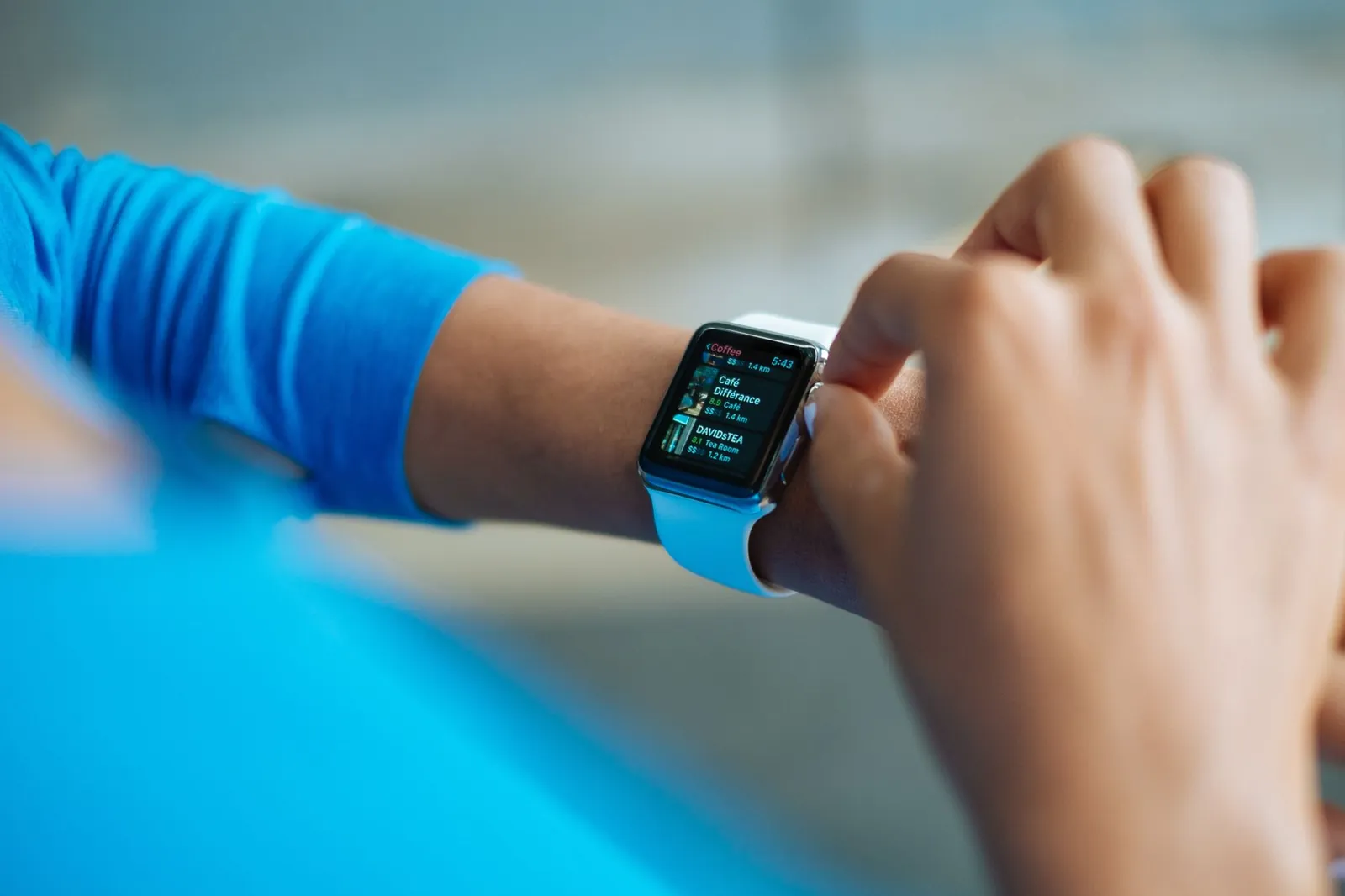
Somewhere between the step count on your wrist, the symptoms you typed into a search bar at 2am, and the meals you photographed, a detailed picture of your health is assembling itself. You did not choose to build that picture, but something is. Google is pushing hard on a new AI Health Coach, a product that aims to pull your scattered wellness signals into a single conversation and turn them into personalized guidance. The pitch is friendly: a coach that already knows your context, so you stop repeating yourself. The question underneath the pitch is simpler and less comfortable. How much of that context has been collected already, and who gets to look at it?
Wellness data is the new search history
Your search history is old news; health data is the upgrade. It is denser, more intimate, and more predictive. A step count is one data point. A pattern of sleep, resting heart rate, stress markers, and medication timing is a baseline profile, and once a model has that, small changes to it become meaningful. Google sits on a large slice of it already through search, Gmail, Maps, YouTube, and the devices in your pocket, and a health coach is a natural place to pull those threads together. That is why industry watchers keep describing this as a race. The company that assembles the most complete picture of a person's day wins the most ground in the wellness space, and the race is less about who builds the better app than about who gets invited to the most devices.
The service is the feature, not the coaching
The most effective part of a health coach is often the moment before any advice happens: the app already knows. It knows you slept badly, that you have been sedentary for three days, that you searched for knee pain. Once that awareness is framed as convenience, sharing feels low-stakes. Once it is framed as surveillance, it feels invasive. The framing is a design decision, and it is worth noticing which one you are being offered. A good coach explains what it uses and why, lets you see and delete the record, and treats your data as something you lent rather than something you surrendered.
Wearables are moving from tracking to intervening
The next wave of wellness hardware does something different from the last one. Instead of only logging, some of it intervenes in real time. Audio augmentation systems take familiar everyday sounds, redirect attention with live feedback, and use that to guide a mindfulness practice back to the present moment. That is a meaningful shift. A step counter describes your day after the fact. A device that notices when your attention drifts and quietly nudges it back acts during it. The line between wellness product and wellness sensor is getting thinner every year, and with it the question of who owns the stream of data flowing out.
AI is reshaping what a yoga practice looks like
The same personalization logic is reshaping yoga apps, with vendors now building AI-driven wellness platforms with deep mobile and product engineering behind them for the 2026 and 2027 cycle. The promise is sequences that adapt: shorter on a heavy day, longer when you have energy, gentler when the app notices you have been inactive. This is genuinely useful, and it is also a much richer dataset than a class schedule ever was. Every session you run tells the software something about your body, your consistency, and your mood on the day you needed it.
What you can actually do this week
Start with your own account settings. Open your activity controls and see how many things you have connected that you have not touched in a year. Then check the health and fitness permissions on your phone; most people have granted far more than they realize. Revoke what you do not use. Use a separate email address for wellness apps so your personal history stays separate. And think about what you want a device to know about you, because the answer changes the hardware you pick.
Here is where you can put that to work right now. The yoga sequence builder on our site is free and takes no account, so you can find a flow that fits the day you actually have. New issues of our newsletter are published on our website each month, and you can read them there. If you practice on Windows, Sunrise Flows is available on the Microsoft Store. Whatever you decide about sharing, keep building the part of the practice that belongs only to you.