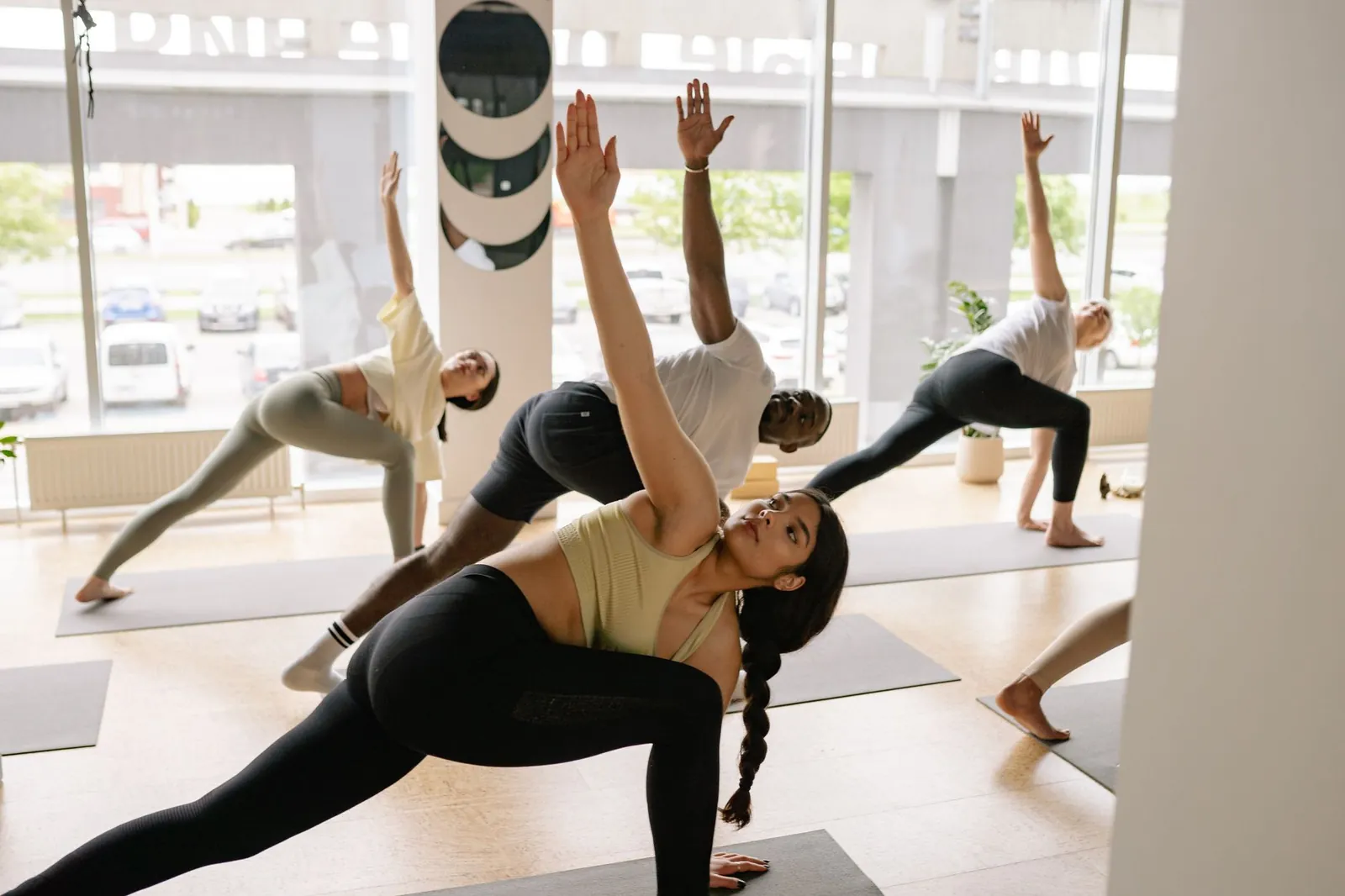
Walk into almost any Colorado Springs studio on a Tuesday evening and you will see what the industry reports keep trying to describe on paper: rooms full of new faces, leggings on first-timers, and a quiet shift in who feels welcome enough to walk through the door. The yoga market has been growing for years, but the more interesting story is what that growth is actually changing on the ground for someone who has never unrolled a mat.
For beginners, a bigger market means a gentler on-ramp. Studios have had to design for people who do not already know the vocabulary, so first-class language has softened, props are out and waiting, and modifications are the default rather than the exception. The intimidation factor that kept so many would-be students away for decades is being engineered out of the experience, one beginner flow at a time.
It also means pricing has gotten more honest. When supply expands faster than demand in a given neighborhood, intro offers, drop-in rates, and community classes stop being a marketing trick and start being a survival strategy. Beginners benefit directly: the barrier to trying a class is lower in a crowded market than in a captive one. The worst deal in yoga has always been the unlimited annual pass you buy on day one. A maturing market pushes studios toward pricing that lets you commit slowly.
Class variety has quietly exploded as well. What used to be a choice between "hatha" and "the other one" is now restorative, yin, slow flow, chair yoga, prenatal, trauma-informed, and beginner-only rooms on most weekly schedules. For a new student that variety is not a marketing menu, it is permission to find the version of the practice that fits your body, your schedule, and your nervous system. You are not failing at yoga if downward dog does not feel right; you are just in the wrong room.
The growth has also pulled yoga out of the studio and into the rest of life. Short online classes, library programs, park series, and workplace sessions mean beginners can sample the practice in low-stakes settings before ever walking into a room full of regulars. That matters, because the single biggest predictor of someone sticking with yoga is whether their first handful of experiences felt safe and slightly successful.
For Colorado Springs locals curious but hesitant, the practical takeaway is simple. The market has grown enough that you have options, and those options are increasingly built for people exactly like you. Pick one beginner-friendly class this week, wear whatever is comfortable, eat lightly beforehand, and tell the teacher it is your first time. That is the whole secret. The rest is repetition, and the room will do most of the work for you.