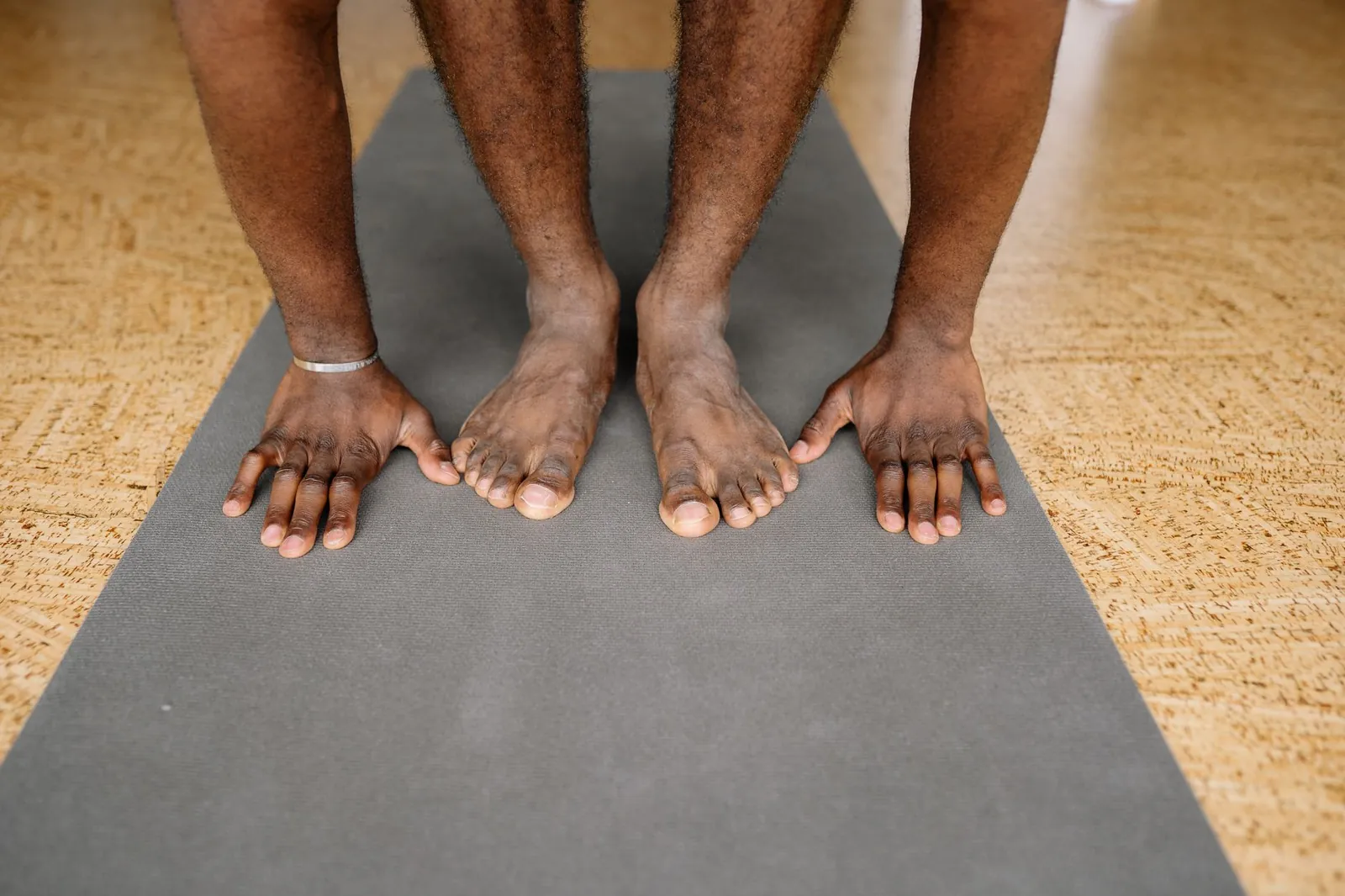
There's a quiet shift happening under the feet of regular practitioners, and it starts with what you unroll before you sit down. Natural rubber and cork yoga mats have moved from niche shelves to the front of the studio, and for good reason. If you've been practicing on a mat that smells chemical for the first six months, slides the moment your palms warm up, or feels like it's made from something that will outlive you, the switch to plant-based materials isn't just a feel-good upgrade. It's a practical one. Here's what makes natural rubber and cork worth your next mat purchase, and how to choose one that actually supports your practice.
Natural rubber grounds your practice in real grip. Because rubber comes from tree sap, its surface actually gets tackier as your hands warm up, the exact opposite of a slick PU mat on a hot day. For vinyasa and hot classes where sweat is part of the flow, this means fewer readjustments mid-sequence and steadier standing balances. The trade-off is weight and a soft rubber smell when new, but both fade quickly with regular use and a simple wipe-down.
Cork brings a different kind of intelligence to the top layer. The waxy suberin in cork naturally resists moisture and microbial growth, so the surface where your hands and feet rest stays cleaner between practices. If you've ever rolled up a damp mat and caught a whiff the next morning, cork solves that problem almost entirely. It also feels cooler to the touch, which is a small but real kindness during restorative holds and savasana in warm rooms.
The health argument is just as direct. Conventional PVC mats release phthalates and other plasticizers throughout their lifespan, including the years they sit in a landfill. Natural rubber mats biodegrade under the right conditions, and cork is harvested from the bark of cork oaks without cutting a single tree down. The bark regrows, and a single tree can be harvested for decades. For practitioners with chemical sensitivities, the absence of synthetic dyes and foaming agents often shows up as fewer headaches, less skin irritation, and easier breathing in heated rooms.
Durability matters too, especially if you're moving past beginner classes and into a daily home practice. A well-cared-for natural rubber mat typically lasts three to five years of regular use, comparable to premium PVC, without the micro-shedding that comes with foam-based mats. Cork-topped hybrids tend to last longer because the cork layer protects the rubber underneath from compression wear in your most-used spots, like the front of the mat where downward dog lives.
Choosing your mat comes down to one honest question. Do you sweat heavily or live in a dry climate? Lean cork-topped for the antimicrobial and cooling benefits. Practice in a cooler room or want maximum cushion for joints? Go with a thicker natural rubber mat, around five millimeters, and let the grip develop over your first few sessions. Either way, you're choosing a surface that supports your body without asking the planet to absorb the cost.
Ready to feel the difference under your hands and feet? Visit our Colorado Springs studio to test the full collection of natural rubber and cork mats, or browse our online shop to find the right thickness and texture for your practice. Your first class on a plant-based mat is on us, and our teachers are happy to walk you through care tips so your mat supports you for years to come.