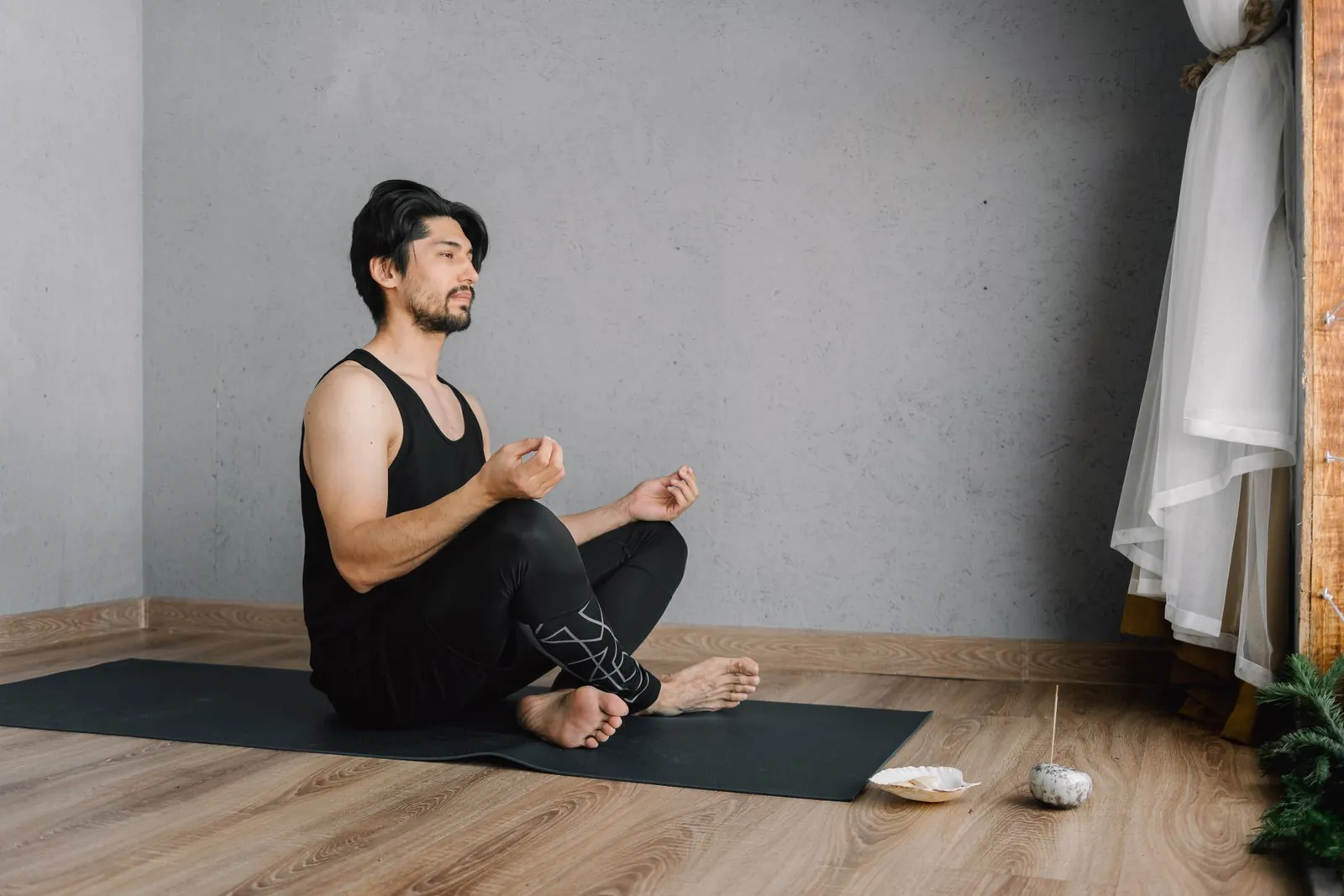
The yoga teaching market in 2026 looks steadier than the headlines suggest. Studios have reopened, neighborhood classes are filling up again, and wellness seekers in places like Colorado Springs are actively searching for teachers who can hold space without performing. Behind that surface, though, the job itself has shifted: hourly rates vary widely, the path from training to paid work is less linear than it used to be, and the teachers doing best are the ones who treat their craft like both a practice and a small business.
The first thing worth knowing is that demand has rebounded unevenly. Group classes in suburban studios are near 2019 levels, while corporate wellness and one-on-one privates have grown faster than anyone expected. If you can teach a strong lunch-hour flow or a beginner-friendly series for office teams, your calendar fills up quickly. Teachers who only chase the big Saturday class at the most popular studio often find themselves waiting.
The second shift is around credentials. A 200-hour certificate still matters, but it is no longer the differentiator it once was. Studios increasingly ask about continuing education, trauma-informed training, or specialty certifications in areas like prenatal, restorative, or adaptive yoga. The teachers who keep studying tend to get the better shifts and the higher pay, not because of the letters after their name, but because continuing study usually reflects real skill.
Third, the money is more transparent than it used to be, and more variable. A typical group class in a mid-size city pays somewhere between thirty-five and sixty dollars per class hour, depending on the studio and the neighborhood. Private sessions run higher but require real hustle to fill the schedule. Hybrid income, meaning a few classes, some privates, and a workshop or retreat on the side, has become the norm rather than the exception.
Fourth, community is the quiet edge. Studios keep the teachers their students actually love, and students keep following the teachers they trust. Showing up consistently, learning names, and teaching in a way that meets beginners where they are builds the kind of following that turns into referrals. That reputation work compounds in a way that social media reach rarely does.
If you are exploring yoga teacher jobs in Colorado Springs, start by visiting a few local studios, taking classes with their teachers, and asking honest questions about pay, scheduling, and the path from sub to regular class. Bring a printed resume, a short note about the kinds of students you most enjoy serving, and a willingness to start small. The teachers who build something lasting here are the ones who treat their first year as a long, patient practice in itself.