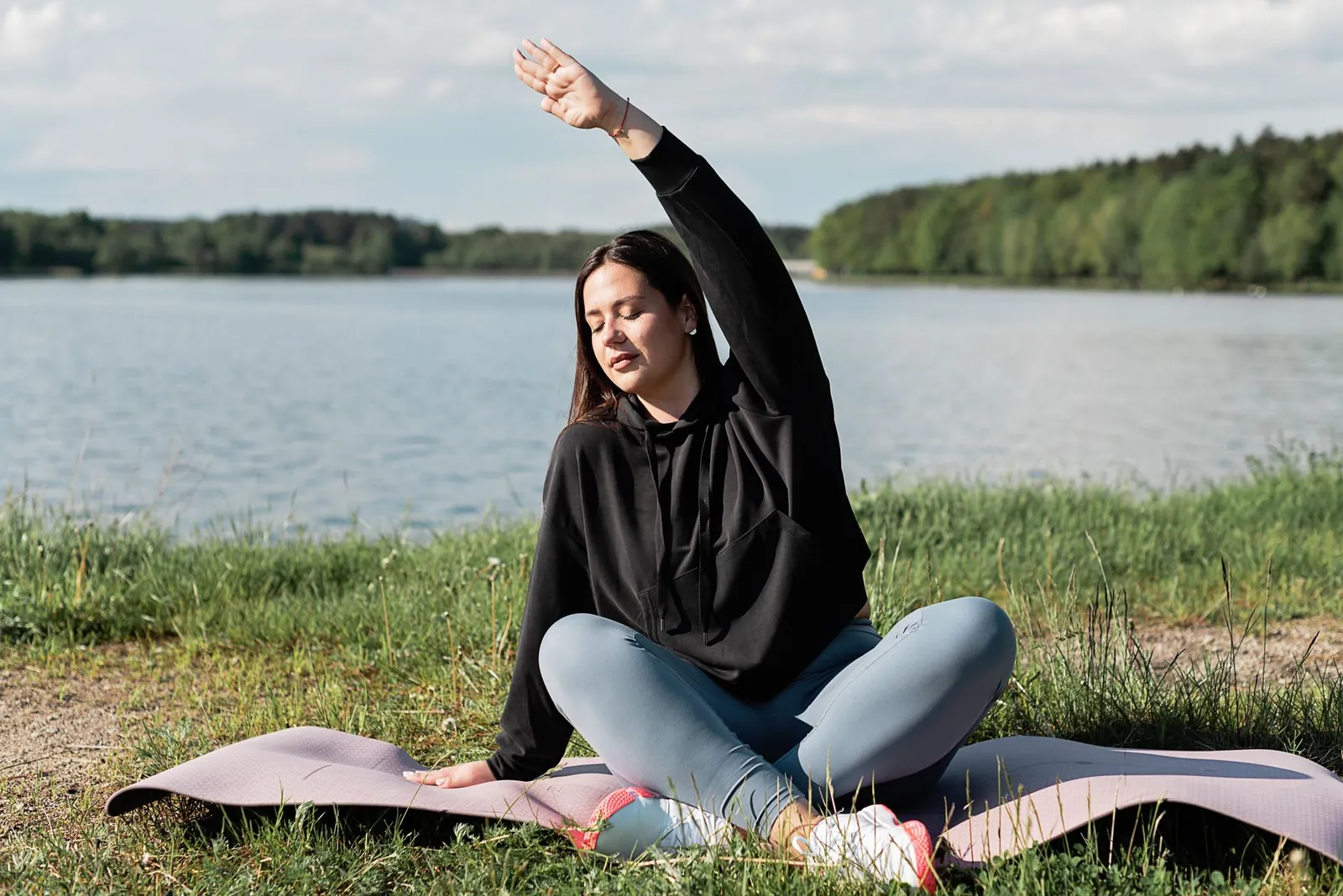
Every morning, before the city wakes up, there's a stretch of quiet where your breath does the talking. A slow roll of the shoulders. A few minutes on the mat — or in a chair, with tea cooling on the table beside you. Nothing dramatic. Just a small, steady practice of showing up for yourself. That tiny ritual, repeated daily, is one of the gentlest ways we know to steady a busy mind, soften the edges of anxiety, and remind the nervous system that it's safe to settle.
You don't need an hour, a fancy app subscription, or a flexible spine to begin. You just need a few minutes, a comfortable spot, and the willingness to let the body lead the way the breath goes. What follows is a simple framework for turning yoga into a daily companion for your mental well-being — drawn from the same gentle movement principles that have helped older adults, complete beginners, and seasoned practitioners alike build quieter, more resilient minds.
Start with the breath before the shape. Most of the tension we carry in our chests and bellies is invisible, and the fastest way to reach it is through slow, deliberate breathing. Try a four-count inhale, a six-count exhale, repeated for two minutes. Pair it with one easy seated or chair-based posture — a gentle twist, a soft forward fold, or a supported chest opener — and you've already crossed the threshold from "thinking about doing yoga" into an actual practice. This is the kind of seven to twenty-minute window that research consistently points to as the realistic, sustainable length for habit formation among older adults and beginners.
Let movement follow where the breath goes. Rather than chasing a peak pose, let your body's feedback guide the session. If your hips feel heavy, sink into a longer pigeon or a simple figure-four in a chair. If your shoulders are tight, thread the needle or rest your forearms on a desk and let the spine round. Each posture becomes a conversation, not a test. The day you feel stuck, a single cat-cow done slowly for ten rounds can do more for your mood than a full flow you resented doing.
Keep it short enough that you'll return tomorrow. A daily companion isn't a marathon. Two to fifteen minutes is plenty when the practice is consistent. Many people find that building the sequence the night before — even just mentally — removes the resistance of deciding what to do when motivation is low. You can sketch it out in an online yoga sequence builder and let it carry you through tomorrow's session on autopilot.
Notice what's softer by Friday. Mental health shifts from a yoga practice tend to be cumulative. Notice whether you fall asleep a little more easily, whether the 3 p.m. slump feels less sharp, whether small frustrations bounce off you a touch faster. Those are the real markers of progress.
When you're ready to build your own short daily sequence — or just want a quiet monthly read on staying grounded — the yoga sequence builder and the newsletters page are both there to keep you company. Even on the days you'd rather not practice alone, a five-minute sequence pulled up on your phone is enough to start.