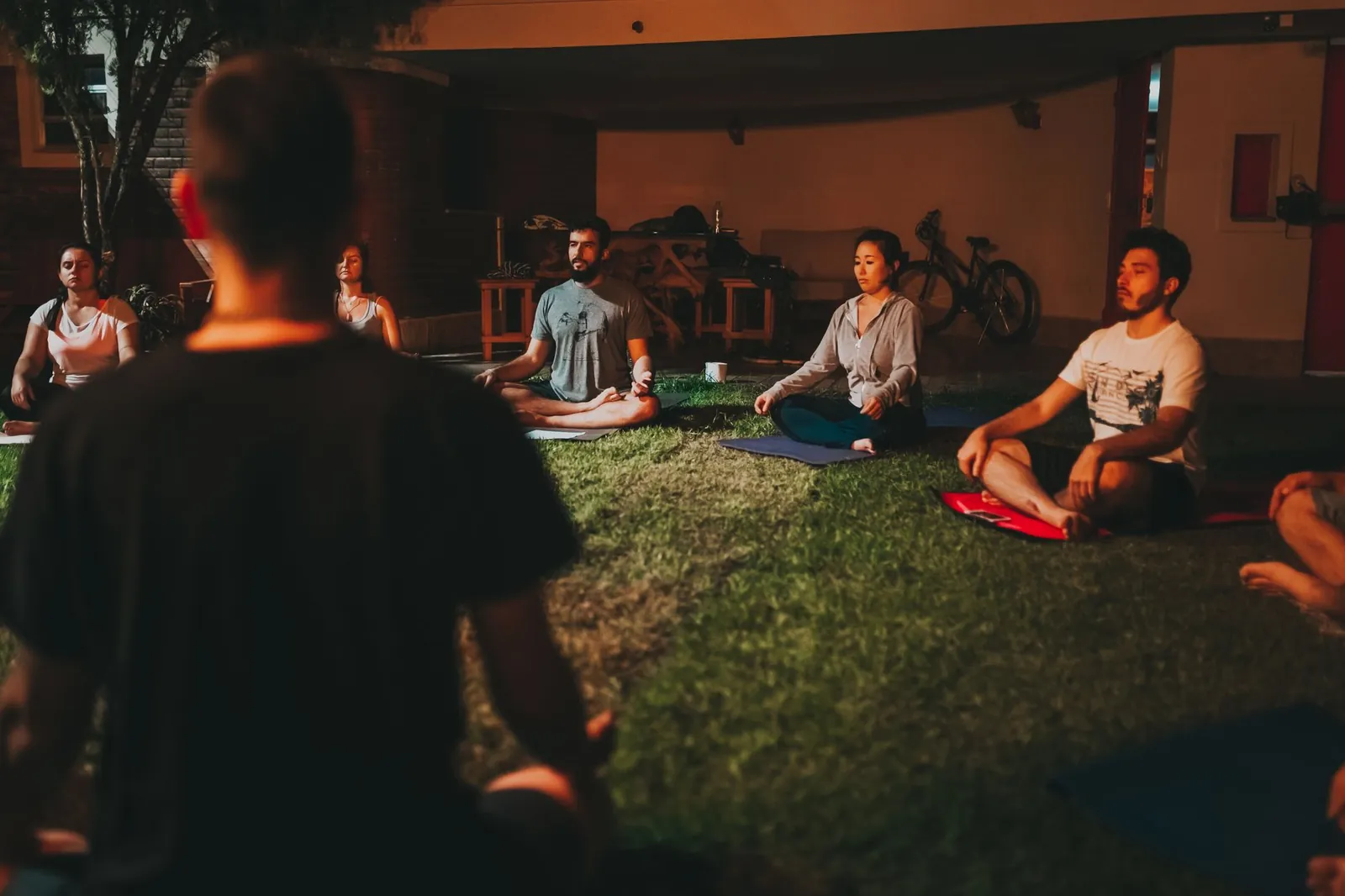
Anxiety and stress can make life feel like you’re constantly bracing for impact: tight shoulders, shallow breathing, racing thoughts, and a nervous system that never quite gets the message that it’s safe to rest. Yoga offers a gentle way back into your body, one breath at a time. You don’t need to be flexible, experienced, or “calm enough” to begin. In fact, yoga can be especially helpful when you feel scattered, tense, or overwhelmed.
Start by slowing the breath
One of the most accessible tools in yoga is conscious breathing. When stress rises, the breath often becomes short and high in the chest, which can send the body deeper into fight-or-flight mode. Simple practices like slow belly breathing or lengthening the exhale can help signal safety to the nervous system.
Try this: inhale gently through the nose for a count of four, then exhale for a count of six. Repeat for one to three minutes. The goal is not to force relaxation, but to create a steady rhythm your body can follow.
Choose grounding poses over intense effort
When anxiety is high, strong or fast-paced movement may feel like too much. Grounding poses can help you reconnect with the present moment. Child’s Pose, Cat-Cow, Legs Up the Wall, and a supported forward fold are beginner-friendly options that encourage the body to soften.
Using props is welcome. A folded blanket under the knees, a pillow under the chest, or a wall for support can make poses feel safer and more sustainable. Comfort matters. Yoga is not about pushing through; it’s about listening in.
Use movement to release built-up tension
Stress often lives in the body as tightness: clenched jaws, lifted shoulders, stiff hips, or a guarded chest. Gentle movement can help discharge some of that held tension. Slow neck rolls, shoulder circles, spinal waves, and easy twists can create a sense of space without demanding too much energy.
For many beginners, this is where yoga becomes practical. You start to notice where stress shows up, and you learn small ways to respond before it builds into overwhelm.
Build a routine that feels realistic
You do not need a 60-minute practice to benefit from yoga. A consistent five or ten minutes can be more supportive than an occasional long class. Consider practicing at the same time each day: after waking, during a lunch break, or before bed.
If you’re in Colorado Springs, local classes can also offer something deeply valuable: community. Practicing with others reminds you that you’re not alone, and that support can be part of healing too.
Begin gently, and let support be simple
If stress or anxiety has been weighing on you, start small this week. Choose one breathing practice, one grounding pose, or one beginner-friendly class, and notice how your body responds. For a supportive place to begin, join a gentle yoga class designed for real people with real nervous systems: no pressure, no performance, just space to breathe, move, and feel a little more at home in yourself.