What yoga actually looks like in 2026
Picture a Saturday morning in Colorado Springs. The sun is just cresting Pikes Peak, and a small group is gathering on a back patio — not in a polished studio with mirrored walls, but on borrowed blankets between tomato plants and a wind chime. One person has never touched a downward dog. Another is a retired marathoner nursing a cranky hip. A third is a teenager who found a fifteen-minute flow on her phone last night. Nobody looks like a magazine. Everybody breathes. That's yoga in 2026 — quieter, more local, and a lot less performative than it used to be.
The first shift is where practice happens. Home practice has stayed popular, but it has matured. People aren't chasing the most cinematic online teacher anymore; they're sticking with someone whose voice they trust and whose pacing fits their body. Short, repeatable flows — ten to twenty minutes — have replaced the two-hour ambition. The mat lives rolled up by the bed, not buried in a closet. Practice has become a small daily ritual, closer to a morning walk than a workout.
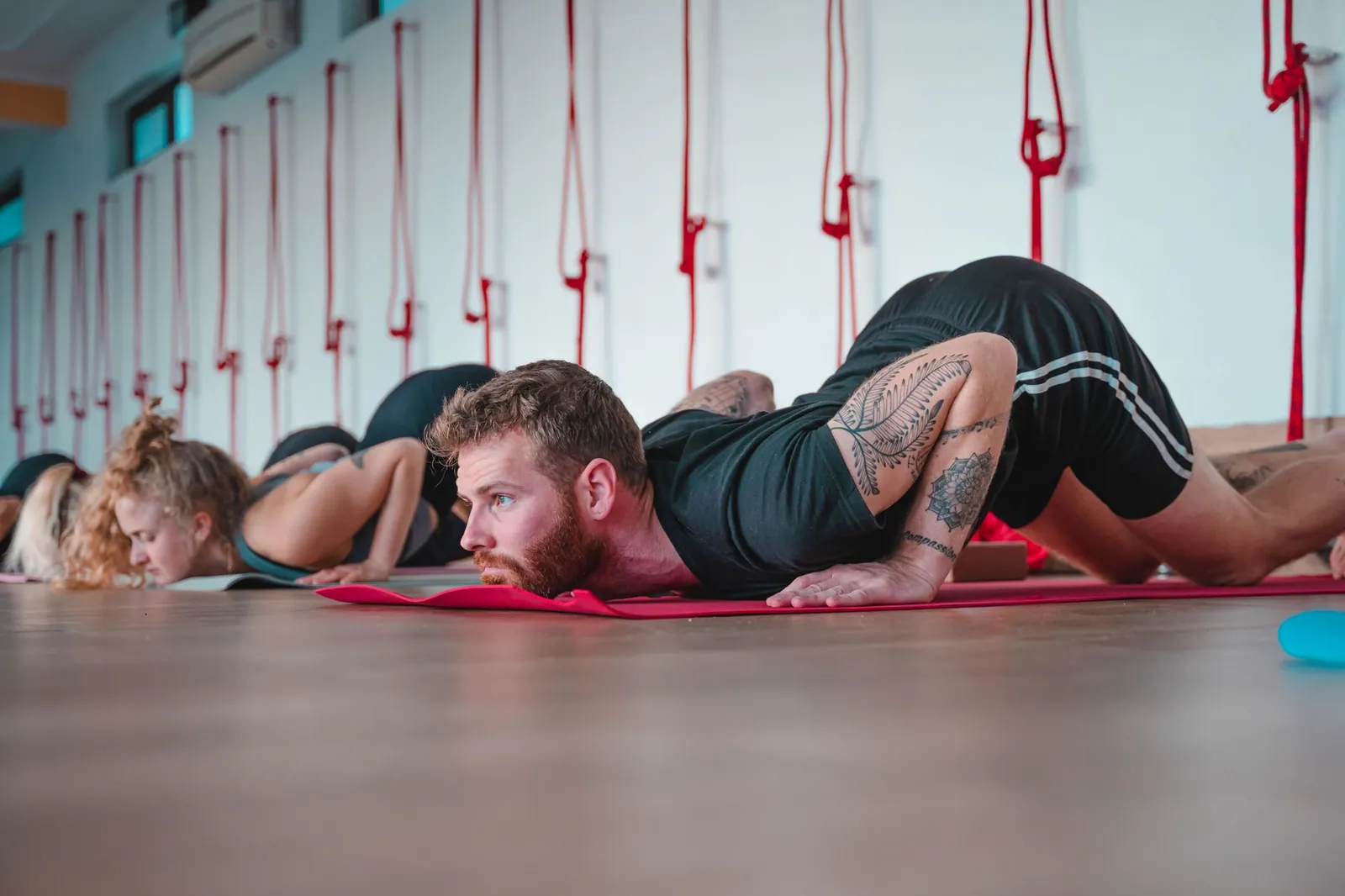
The second shift is who shows up. Beginners aren't a niche anymore — they're the majority at most community classes. Studios have leaned in, with slower foundational courses, plain-English cueing, and options that don't require touching your toes to feel welcome. Older adults and people returning after injury now anchor many weekday classes, and teachers are trained to meet them there. The vibe is more rec center than boutique.
The third is the conversation around yoga itself. There's a real humility in the room now. Teachers talk openly about the limits of asana — that a handstand won't fix your sleep, and that flexibility is a long, boring road. More time is spent on breath, on rest, on the part of practice where nothing is happening and you stay anyway. The competitive, photo-ready version of yoga has loosened its grip, and most practitioners are quietly relieved.
The fourth is connection. Small neighborhood classes, work-site lunch sessions, and outdoor meetups have replaced the destination-studio pilgrimage. People are practicing with the people they actually live next to, and that has changed the texture of it. A class is less a performance space and more a weekly check-in — you see the same faces, you notice when someone's missing, you wave at each other in the grocery store.
If any of this sounds like the yoga you've been quietly hoping existed, it does — and it's closer than you think. Most community studios in Colorado Springs offer a free or low-cost first class, and many host outdoor sessions in the warmer months. Bring a blanket, wear something you can breathe in, and tell the teacher it's your first time. You don't need to be flexible, spiritual, or fit. You just need to show up and stay for the breath. The rest, genuinely, is optional.