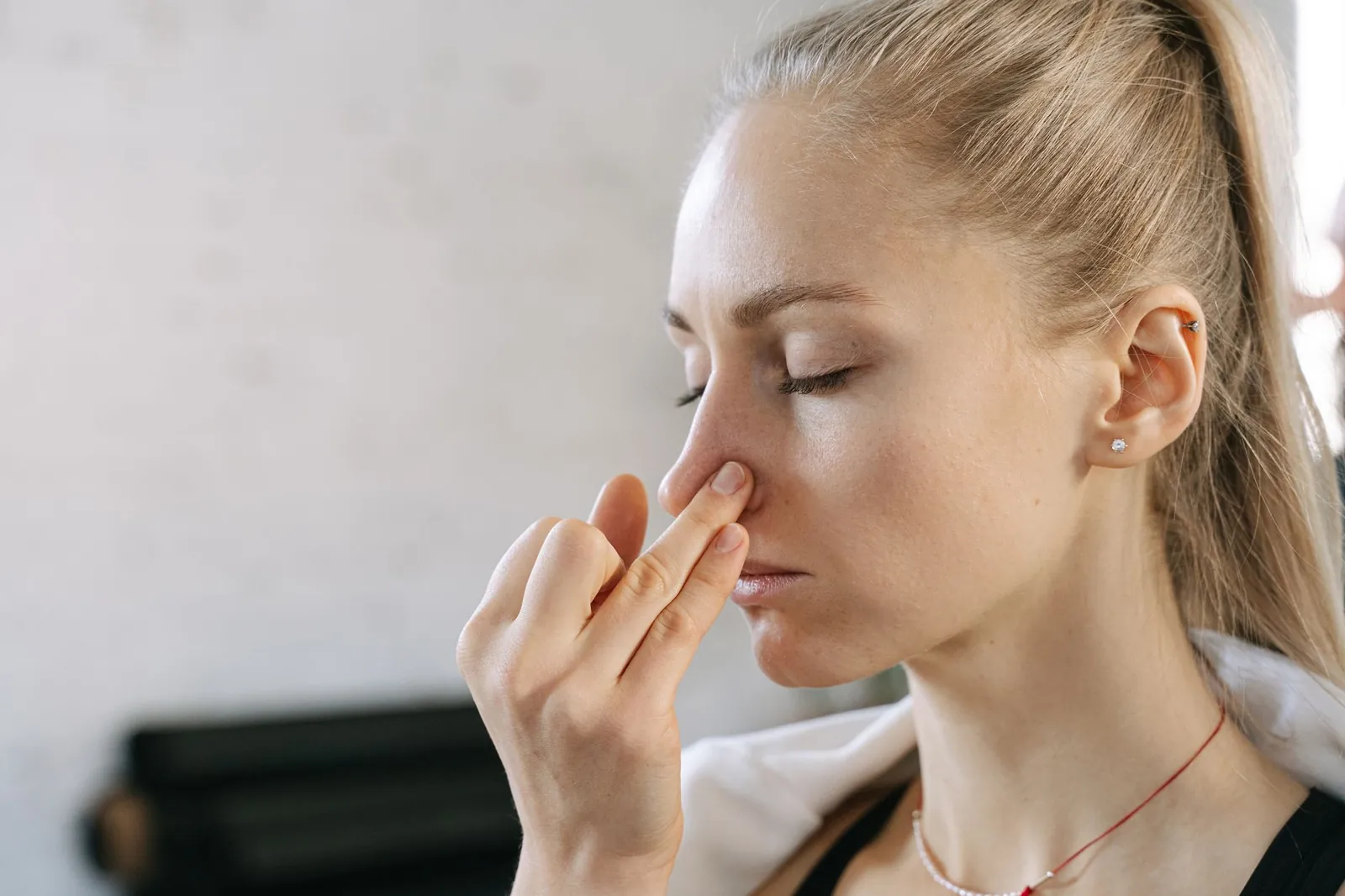
Most people come to yoga for the shapes. Pranayama, the breathing practice that sits underneath the poses, asks for far less and returns plenty. No mat, no matching leggings, no mirror. You can do it sitting on a chair, in the five minutes between meetings, with the door shut and nobody watching.
What it does for the body
Lung capacity naturally decreases as we age. Practiced regularly and correctly, pranayama can improve lung function and work against some of the effects of aging, including loss of vitality, stiffening muscles, and joint pain. None of this is dramatic. It shows up as slightly easier stairs, a deeper exhale, less stiffness after a morning. Breath work earns its place slowly, which is also how it works.
Concentration and memory
Pranayama improves memory and concentration levels. The mechanism is not mysterious. Training the breath to stay even is a form of attention training, and it borrows from the same muscles you use on everything else. You notice the breath, notice when attention drifts to tomorrow's to-do list, and bring it back. Do that a hundred times and the return gets faster. That is memory and concentration, built from repetition rather than from insight.
Stress and sleep
Pranayama meditation combines breath awareness with stillness, and that pairing is what makes it useful for reducing stress levels and improving sleep. Slow breathing is the operative ingredient: extending the exhale keeps the nervous system from reading the moment as urgent. If you have a hard time falling asleep, a few minutes of longer-out-breath work before bed does more for you than an hour of trying to force sleep.
How to actually start
Sit somewhere you can keep your spine tall, hands resting on your thighs, eyes closed or soft. Begin with five ordinary breaths and no counting. Then try a four-count inhale and a six-count exhale for four rounds. Return to natural breathing, notice the difference, and stop there on the first week. Ten minutes in the morning, before the phone, beats an hour you never schedule. If holding the breath makes you lightheaded, drop it and breathe normally; there is nothing to prove.
When you want more than the breathing alone, the free online yoga sequence builder lets you arrange poses into a practice you can actually follow at home, no account required, and the meditation guide walks through the sitting and breathing basics in more detail.
Finish with a real next step: pick one ten-minute practice, put it on your calendar for tomorrow morning, and do it before you decide whether it works.