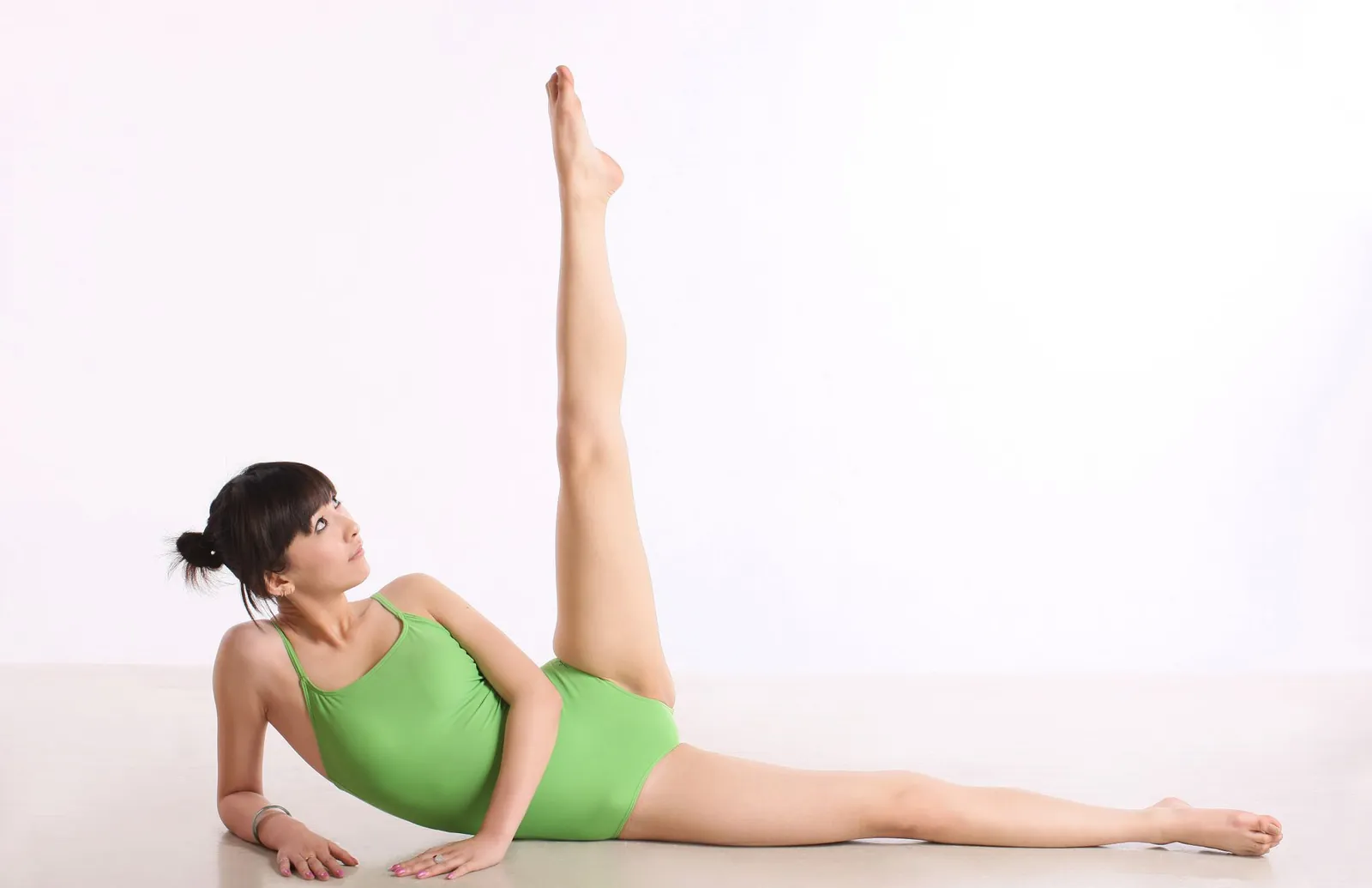
On a mat cluttered with uncertainty, you know how frustrating it is to lose track of a pose you mastered weeks ago. Every yoga session becomes a guessing game when your mind's library of 100+ poses feels more like a maze than a resource. This one-page reference transforms that scattered mental map into something you can actually keep and reach for when you need it most, turning the overwhelm of pose variety into immediate confidence on your mat.
The foundation of any yoga practice begins with five essential poses that serve as the gateway to deeper work. Mountain pose grounds your standing presence, creating a stable base from which all other standing poses emerge. Warrior II opens your heart while building leg strength, and Triangle pose teaches lateral lengthening that reaches beyond your usual comfort zone. Half-moon balances spinal flexibility with arm extension, demanding focus that transfers to more complex postures. Child's pose remains the gentle reset, offering recovery while maintaining a meditative center.
Progress through your practice systematically by grouping poses into logical sequences. Standing poses flow naturally from foundational mountain positions to the dynamic engagement of warrior variations, while seated poses provide the gentle counterbalance needed for spinal health. Backbending poses gradually increase spinal extension, and inversion poses challenge your relationship with gravity. Each progression builds on previous strength, flexibility, and breath control in a way that feels purposeful rather than forced.
Every pose delivers specific benefits that transform your physical and mental state. Downward-facing dog strengthens upper body while stretching hamstrings and calves, creating the foundational strength for arm balances and inversions. Locust pose energizes the lower back while building glute strength, supporting better posture in daily life. Pigeon pose opens the hips deeply, releasing tension accumulated from long hours of sitting. Forearm plank develops core stability without putting unnecessary pressure on wrists, offering an accessible alternative for wrist-sensitive practitioners.
This library's practical value extends beyond pose identification into immediate application. When you're short on time, focus on three key poses: Sun salutation for complete warm-up, Warrior II for standing strength work, and Child's pose for release. For home practice, prioritize five poses that cover the major muscle groups: downward dog, low lunge, forearm plank, locust pose, and shoulder stand. When preparing for a class, select three poses that match your intended focus: hip openers before a flow class, backbend sequences for spinal health, or standing poses for leg strengthening.
Save this reference to your bookmarks right now. Set a daily reminder to practice just three poses this week, letting each one become second nature before adding another to your routine. Create your personal practice sequence by combining poses that serve your specific needs - whether that's adding more hip openers for flexibility, incorporating stronger core work for back support, or building standing balance for better posture. This isn't just a list of poses; it's your practical guide to building a consistent, evolving yoga practice that fits your real life. Start today and watch your confidence on the mat grow with each mindful repetition.