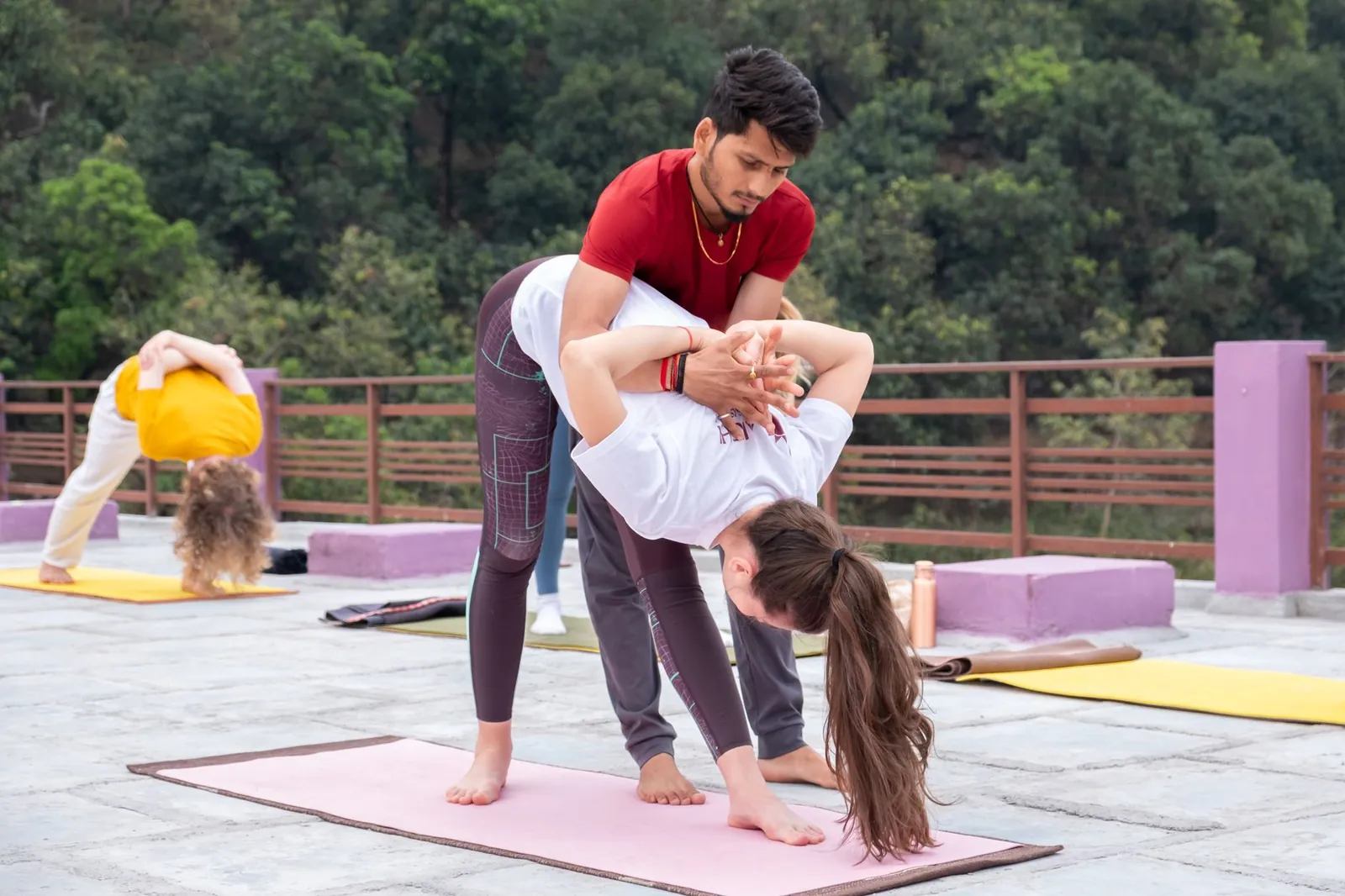
Yoga teaching is changing in beautiful, meaningful ways. What was once often seen as a set sequence taught in a studio has grown into a worldwide conversation about wellness, accessibility, culture, community, and personal transformation. Whether you’re a new student in Colorado Springs, a curious future teacher, or someone returning to the mat after time away, today’s yoga landscape offers more paths than ever to learn, share, and belong.
Teaching is becoming more inclusive and trauma-aware
One of the most important shifts in modern yoga teaching is the move toward greater sensitivity and choice. Teachers are learning to offer options instead of rigid instructions, use invitational language, and create spaces where students feel safe listening to their own bodies. This is especially helpful for beginners, older adults, students recovering from injury, and anyone carrying stress or trauma.
A good class today is not about achieving the “perfect” pose. It is about building awareness, breath, steadiness, and trust. This approach makes yoga feel less intimidating and more welcoming, especially for people who may have thought, “I’m not flexible enough for yoga.”
Styles are blending in creative ways
Yoga styles continue to evolve. You may find classes that combine gentle flow with meditation, strength-building with breathwork, or restorative yoga with sound healing. Traditional forms like Hatha, Vinyasa, Yin, Ashtanga, and Kundalini still have their place, but many teachers are now weaving together practices to meet real-life needs.
For example, a student who works at a desk all day may benefit from mobility-focused yoga. Someone managing anxiety may appreciate slower breath-centered classes. An athlete may enjoy a strength-based flow that supports balance and recovery. This blending allows yoga to serve the whole person, not just the body.
Online learning has opened global doors
The rise of virtual classes, online trainings, and international workshops has expanded what is possible for both teachers and students. A yoga teacher in Colorado can study with mentors in India, Europe, or South America without leaving home. Students can join a favorite class while traveling, working from home, or caring for family.
This global access creates opportunity, but it also calls for responsibility. Teachers are being invited to honor yoga’s roots, continue their education, and approach cultural traditions with humility and respect. The best global yoga spaces are not just convenient; they are thoughtful, ethical, and connected.
Community still matters most
Even with online growth, local connection remains at the heart of yoga. In-person classes, neighborhood workshops, outdoor practices, and small-group circles give students a chance to be seen and supported. Here in Colorado Springs, where nature, movement, and wellness are woven into daily life, yoga can become a grounding place to connect with yourself and your community.
If you’re curious about yoga, start where you are. Try a beginner-friendly class, ask questions, explore different styles, and notice how you feel afterward. If you’re considering teaching, look for training that values accessibility, ethics, practice, and real human connection. Your next step does not need to be big — it simply needs to be honest, steady, and yours.