Choosing yoga gear can be part of your practice, not separate from it. Every mat, block, strap, and layer you bring into the studio carries a story: what it is made from, how long it will last, and how it supports the way you move. For beginners, sustainable gear does not have to mean buying the most expensive “eco” option. It means choosing thoughtfully, caring for what you have, and building a simple setup that helps you practice with comfort and intention.
Start with a mat that lasts
Your yoga mat is usually the first piece of gear worth choosing carefully. Many conventional mats are made from PVC, which can be durable but is not the most environmentally friendly material. If sustainability is a priority, look for mats made from natural rubber, cork, jute, or TPE. A good mat should feel steady under your hands, offer enough cushion for your knees, and hold up through regular use.
The most sustainable mat is often the one you will use for years. Before replacing a mat, try cleaning it, rotating it, or using a towel for extra grip. If you are new to yoga in Colorado Springs, consider borrowing or using studio mats for a few classes before buying your own so you know what texture and thickness you actually like.
Choose props with purpose
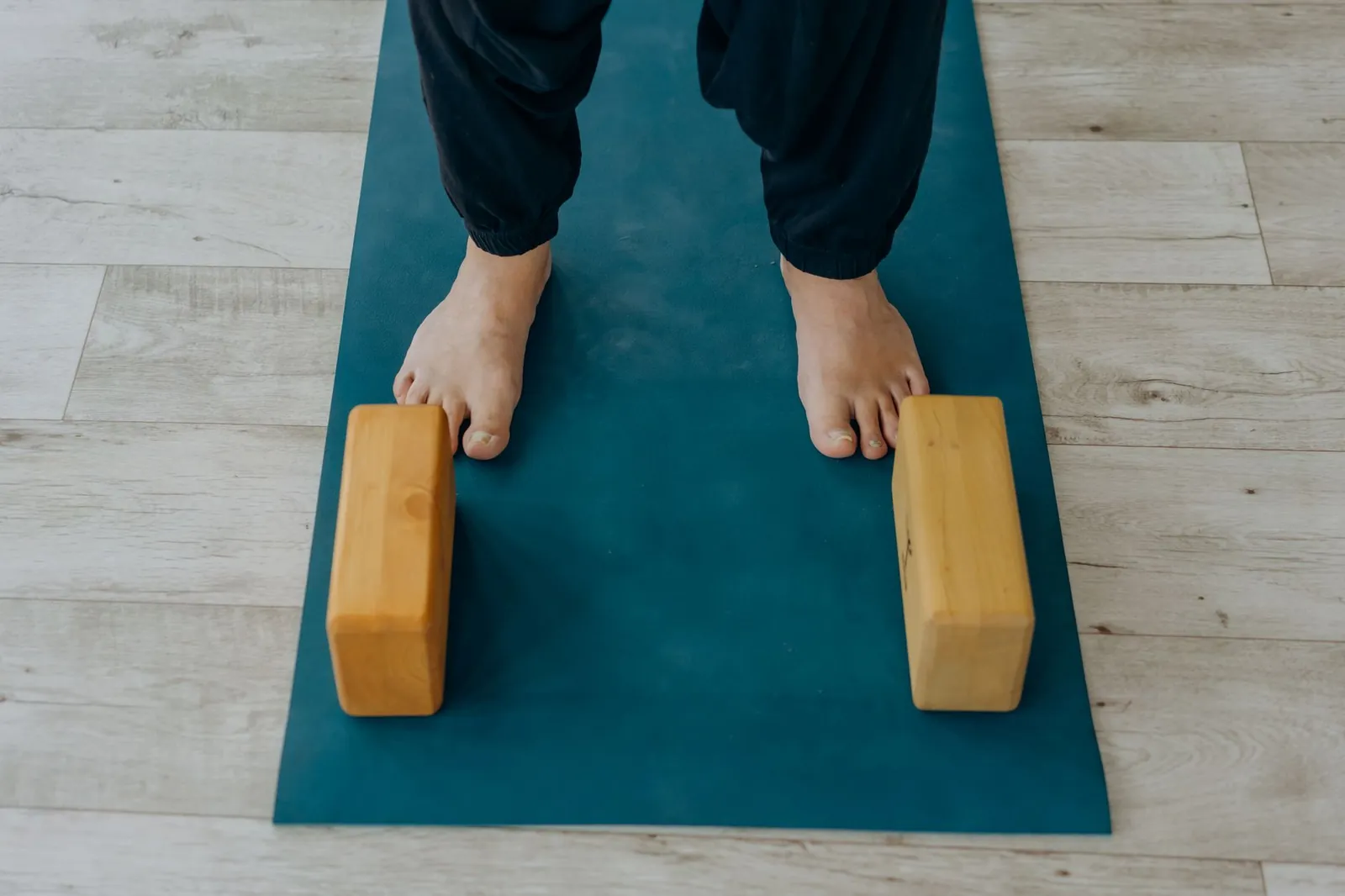
Blocks, straps, bolsters, and blankets can make yoga more accessible, especially for beginners. Sustainable props are often made from cork, bamboo, organic cotton, recycled fibers, or sturdy wood. Cork blocks are a popular choice because they are firm, naturally antimicrobial, and biodegradable.
You do not need every prop at once. Start with one or two blocks and a strap, then add more only if your practice calls for it. This keeps your space uncluttered and reduces impulse buying.
Wear breathable, durable clothing
Sustainable yoga clothing is less about chasing trends and more about choosing pieces that move well, wash well, and last. Look for organic cotton, hemp, bamboo blends, recycled polyester, or brands with transparent labor and environmental practices.
Comfort matters. You should be able to bend, twist, sit, and breathe without constantly adjusting your clothes. A few versatile pieces are better than a drawer full of items that do not feel good in practice.
Care extends the life of your gear
A simple cleaning routine can keep your gear usable much longer. Wipe your mat after class, let it dry fully before rolling it up, wash clothing in cold water, and air-dry when possible. Small habits reduce odor, preserve fabric, and prevent early replacement.
Buy local or secondhand when you can
Colorado Springs has a strong community-minded wellness culture, and sustainable choices often begin close to home. Check local studios, outdoor consignment shops, or community marketplaces for gently used gear. Buying nearby can reduce shipping impact and support local businesses.
Ready to make your practice a little lighter on the planet? Start with one piece of gear you already own: clean it, repair it, or decide whether it truly still serves you. Then, when you need something new, choose one durable, comfortable, responsibly made item that supports your body and your values.