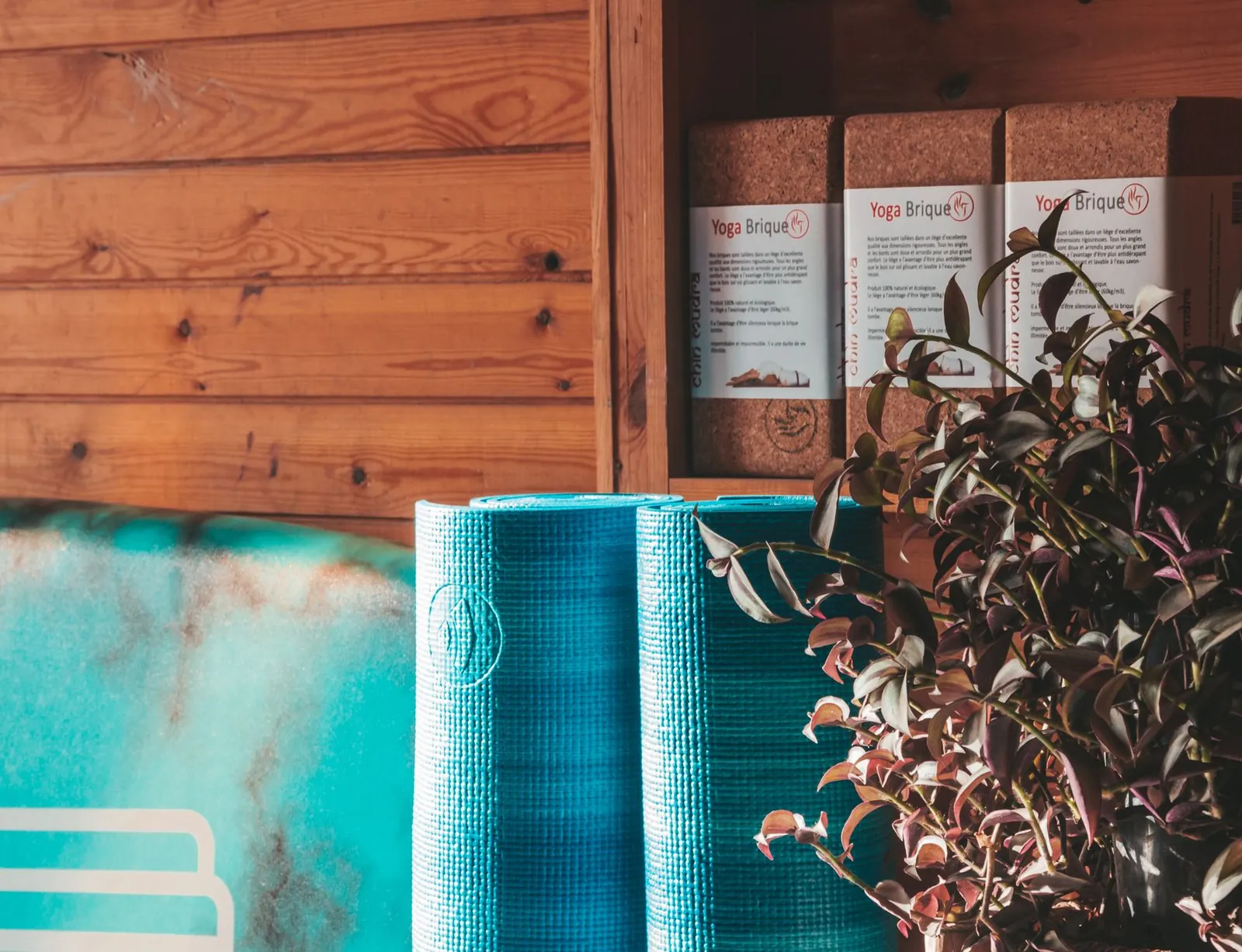
Your yoga practice is already a place where you come back to breath, body, and steadiness. The tools you bring onto the mat can support that same intention. Choosing sustainable, non-toxic yoga accessories is not about perfection or buying everything new. It is about making thoughtful swaps over time so your self-care feels good for your body, your home, and the wider Colorado landscape we all share.
Start with a cleaner yoga mat
A yoga mat is often the first accessory we touch, breathe near, and practice on. Many conventional mats are made with PVC, synthetic dyes, or chemical finishes that can off-gas, especially when new. If you are shopping for a mat, look for options made from natural rubber, cork, jute, organic cotton, or TPE labeled free from PVC, phthalates, and heavy metals.
For beginners, comfort and grip matter too. A sustainable mat should still help you feel stable in Downward Facing Dog, supported in kneeling poses, and relaxed during rest. If you already own a mat, you do not need to toss it immediately. Use it well, clean it gently, and replace it mindfully when the time comes.
Choose props made from natural materials
Blocks, straps, bolsters, and blankets make yoga more accessible. They help your body find ease instead of strain, which is especially important if you are new to yoga or returning after time away.
Cork blocks are a sturdy alternative to foam blocks, and they tend to last for years. Organic cotton straps feel simple and durable. For bolsters, look for covers made from cotton, hemp, or linen, with fillings such as buckwheat hulls, cotton batting, or kapok. These materials create a grounded, breathable feel without relying heavily on plastics.
Keep cleaning simple and non-toxic
Your mat and props do not need harsh cleaners to stay fresh. A simple routine is usually enough: wipe down your mat after sweaty practices, let it dry fully before rolling it up, and wash removable covers according to their care instructions.
For a gentle mat spray, choose fragrance-free or naturally scented cleaners without synthetic perfume, bleach, or ammonia. This is especially helpful if you practice in small spaces, have sensitive skin, or share your home with kids or pets.
Buy less, choose well, and care for what you have
The most sustainable yoga accessory is often the one you already own. Before buying something new, ask whether it truly supports your practice. Could a folded blanket replace a bolster for now? Could a sturdy scarf work as a strap? Could you borrow or try a prop in class before purchasing?
When you do buy, choose items that are durable, repairable, washable, and comfortable enough that you will actually use them. Sustainable self-care is not about collecting perfect objects. It is about building a practice that feels steady, simple, and aligned with your values.
If you are beginning or refreshing your yoga practice in Colorado Springs, start with one mindful swap this week: clean your mat with a gentler product, try a cork block, or bring a favorite blanket into your home practice. For more support, join a beginner-friendly class, ask your teacher which props fit your body, and build your toolkit slowly with care.