Most AI bills quietly drain small teams before anyone notices. The good news is that the readers who showed up to read about cost-cutting aren't the only ones figuring this out — they sent in their setups, and the savings are real enough to share. Three patterns show up again and again in Colorado Springs and beyond: a solo founder trading a few API dollars for a $0 marginal-cost research loop, a teacher running local models on hardware already collecting dust in a closet, and a yoga studio owner who got her class-planning assistant off the cloud entirely. None of them are engineers. All of them have cut their monthly AI spend by more than ninety percent.
The first pattern is the quiet replacement. The solo founder realized that every "quick question" she was sending to a hosted chat tool cost roughly the price of a sandwich, and the questions stacked up. She kept the cloud model for the two weekly tasks where she genuinely needed top-tier reasoning, but moved daily drafts, outlines, and email rewrites to a small local model running on her laptop. Her total spend dropped from around forty dollars a month to the cost of electricity — under a dollar. The key is to actually write down which tasks earn the cloud budget, instead of letting convenience leak it.
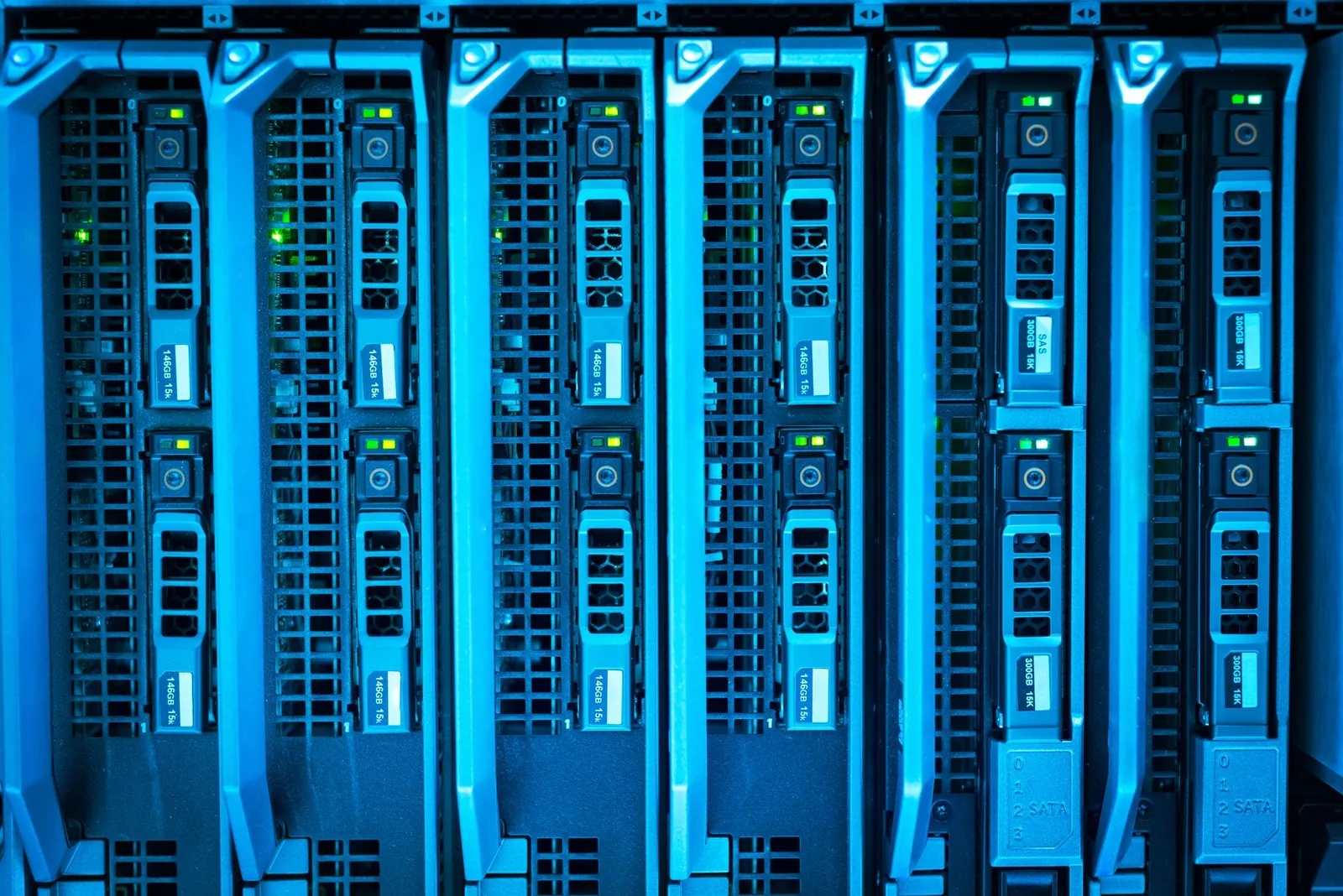
The second pattern is retired hardware reborn. A middle-school teacher pulled an old desktop out of storage, installed a free local model runner, and now uses it to grade short writing prompts and generate parent-email drafts on a closed network. School-issued Chromebooks stay untouched, student data never leaves the room, and the only ongoing cost is the electricity to keep the box on. He estimates the school avoided roughly fifteen hundred dollars a year in subscriptions. If you have a working tower sitting in a closet, it is almost certainly powerful enough.
The third pattern is the hybrid that nobody talks about. The studio owner runs everything locally by default — schedule answers, class descriptions, social captions — and only routes to a hosted model when a member asks a nuanced health question that needs stronger reasoning. Because ninety-five percent of her traffic never touches the cloud, her hosted bill is tiny and predictable. The mental shift is treating the local model as the front door and the cloud as the specialist on call.
The common thread is honesty about what each task actually needs, and the willingness to spend one afternoon setting things up instead of one afternoon writing a check. If ninety percent savings sounds like marketing, it isn't — it's what happens when the cheaper option is also the closer one to the work.
Want a starter checklist for the cheapest practical local setup on the hardware you already own? Subscribe to the newsletter and we'll send our free one-page guide, plus the exact prompts and small-model picks our readers are using right now.