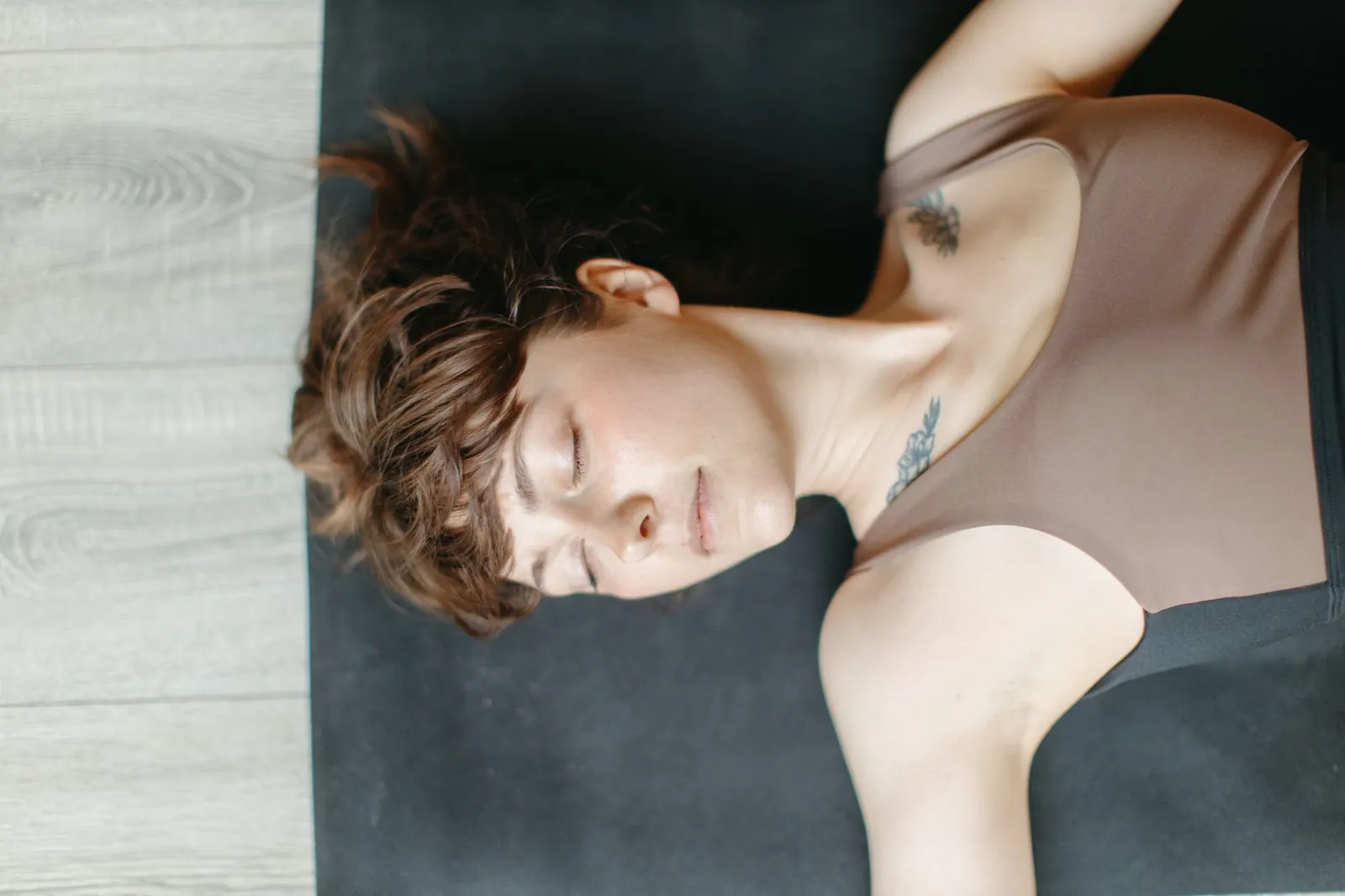
Stress has a way of settling into the body before we even notice it: tight shoulders after a long day, a shallow breath while driving across Colorado Springs, a restless mind that keeps spinning at bedtime. Gentle yoga offers a simple, beginner-friendly way to slow down and reconnect. You do not need to be flexible, experienced, or “good at yoga” to benefit. You only need a little space, a few quiet minutes, and permission to move at your own pace.
Start by softening the breath
One of the most calming parts of gentle yoga is the way it brings attention back to the breath. When stress rises, breathing often becomes quick and shallow. Slowing the breath sends a signal to the nervous system that it is safe to settle.
Try sitting comfortably, placing one hand on your chest and one hand on your belly. Inhale gently through the nose, then exhale slowly as if you are fogging a mirror with your mouth closed. Even three to five rounds can help create a little more space between you and the stress of the day.
Choose shapes that feel supportive
Gentle yoga is not about pushing into deep stretches. It is about finding shapes where the body feels held. Child’s pose, supported forward folds, legs up the wall, and reclined twists are all calming options for many beginners.
Use pillows, blankets, or blocks if you have them. A folded blanket under the knees or a pillow under the chest can make a pose feel more restful. The goal is not intensity. The goal is ease.
Move slowly enough to listen
Stress often pulls us into urgency. Gentle yoga invites the opposite. Moving slowly gives you time to notice what your body is saying: where you feel tension, where you need support, and where you might be able to release effort.
A simple sequence might include seated breathing, shoulder rolls, cat-cow, a low lunge, child’s pose, and a few minutes of rest. Pause whenever you need. If something feels sharp, strained, or overwhelming, back off and choose a softer option.
Let rest be part of the practice
Many people think yoga is only the movement, but rest is where the practice often becomes most nourishing. Savasana, or final rest, gives the body time to absorb the benefits of breath and movement.
Lie down with a blanket under your knees, cover yourself if you feel cool, and let your eyes soften. Stay for two to five minutes. Nothing to fix, nothing to achieve. Just breathing, resting, and returning to yourself.
If stress has been feeling heavy lately, consider beginning with one short gentle yoga practice this week. Start with 10 minutes at home, or join a beginner-friendly local class where you can be guided with care. Your next step can be simple: choose one calming pose, one slow breath, and one moment today to pause.