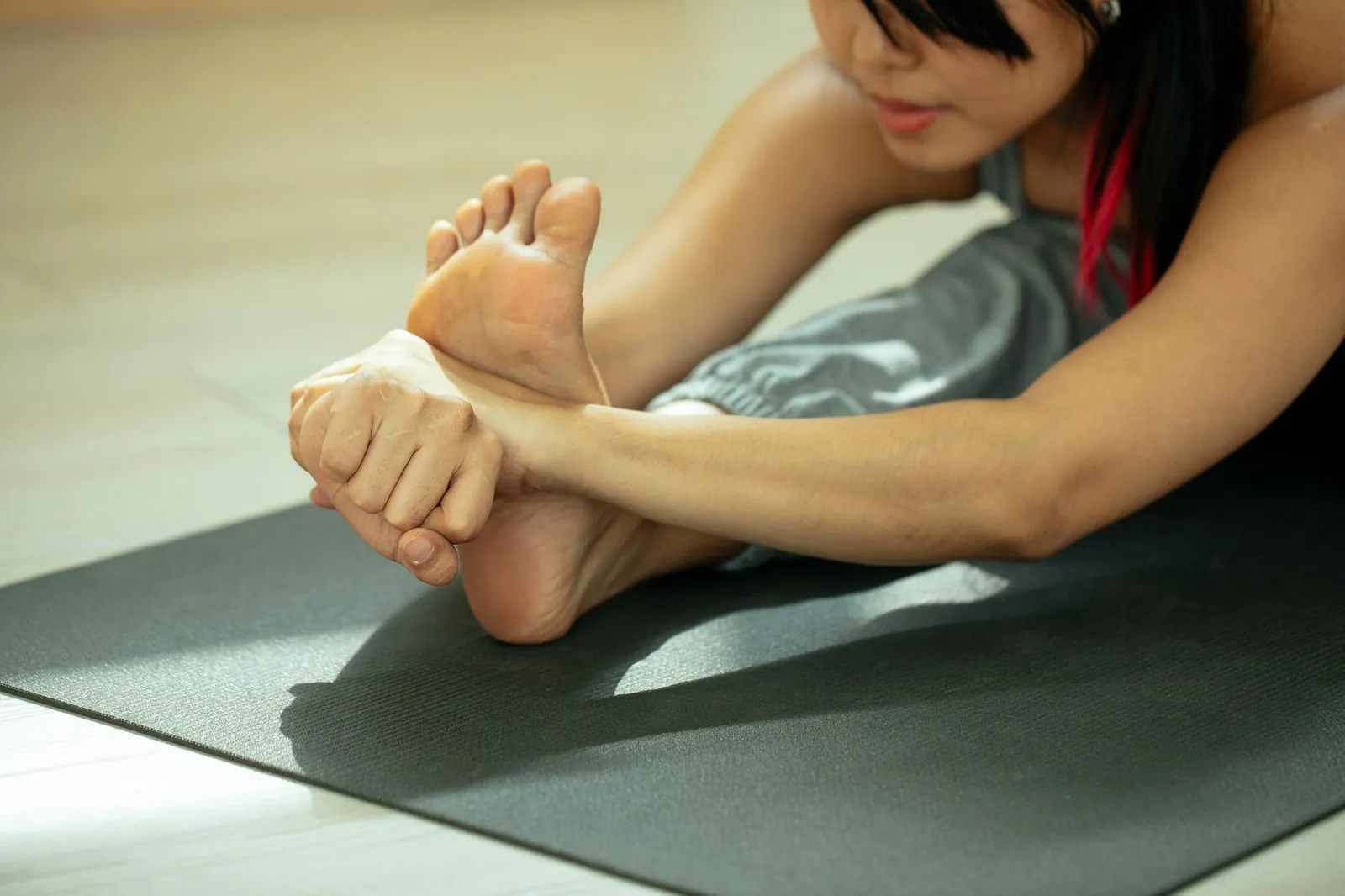
If you've ever sat in your car for five extra minutes just to breathe before walking inside, or felt your shoulders creep toward your ears by mid-afternoon, this one's for you. Yoga for stress relief isn't about tying yourself into a pretzel or touching your toes. It's a quiet, practical tool you can use at home, in your office, on a hotel floor, or right in your living room in your pajamas. Below are the questions we hear most often from folks just starting out, answered plainly so you can roll out a mat (or a towel) and begin.
First, do I need to be flexible? No. Flexibility is something yoga builds, not something you bring to it. Most stress-relief poses are gentle, supported, and meet your body where it is. If a stretch feels sharp or pinching, ease back. A little sensation is fine, pain is a request to modify. Props like pillows, folded blankets, and sturdy books are absolutely fair game and actually make the practice more effective.
Second, how often and for how long should I practice? Consistency matters more than duration. Three short sessions a week, fifteen to twenty minutes each, will do more for your nervous system than one ambitious hour followed by a week off. Think of it like brushing your teeth: small, regular, and forgettable if you skip once. Morning practice tends to set a calmer tone for the day, while evening practice helps your body wind down and sleep more deeply.
Third, which poses actually help with stress? A few classics earn their reputation. Legs-up-the-wall is a true beginner favorite; lying on your back with your legs resting vertically against a wall takes pressure off your lower back and signals safety to your nervous system. Cat-cow, done on hands and knees, links breath to gentle spinal movement and loosens the area where most of us hold tension. Forward fold, sitting or standing with a soft bend in the knees, quiets the mind. Child's pose is your built-in rest stop. And simple box breathing, in for four, hold for four, out for four, hold for four, anchors the whole practice. Choose two or three rather than rushing through all five.
Fourth, what if my mind won't stop racing? That's the point, not a problem. You don't have to silence your thoughts. Yoga invites you to notice them, label them, and come back to your breath. Each return is the practice. The mental quieting happens as a side effect, never a goal.
Ready to give it a try this week? Pick two or three of these poses, set aside ten quiet minutes, and move slowly. That's the whole practice — no class required to start.