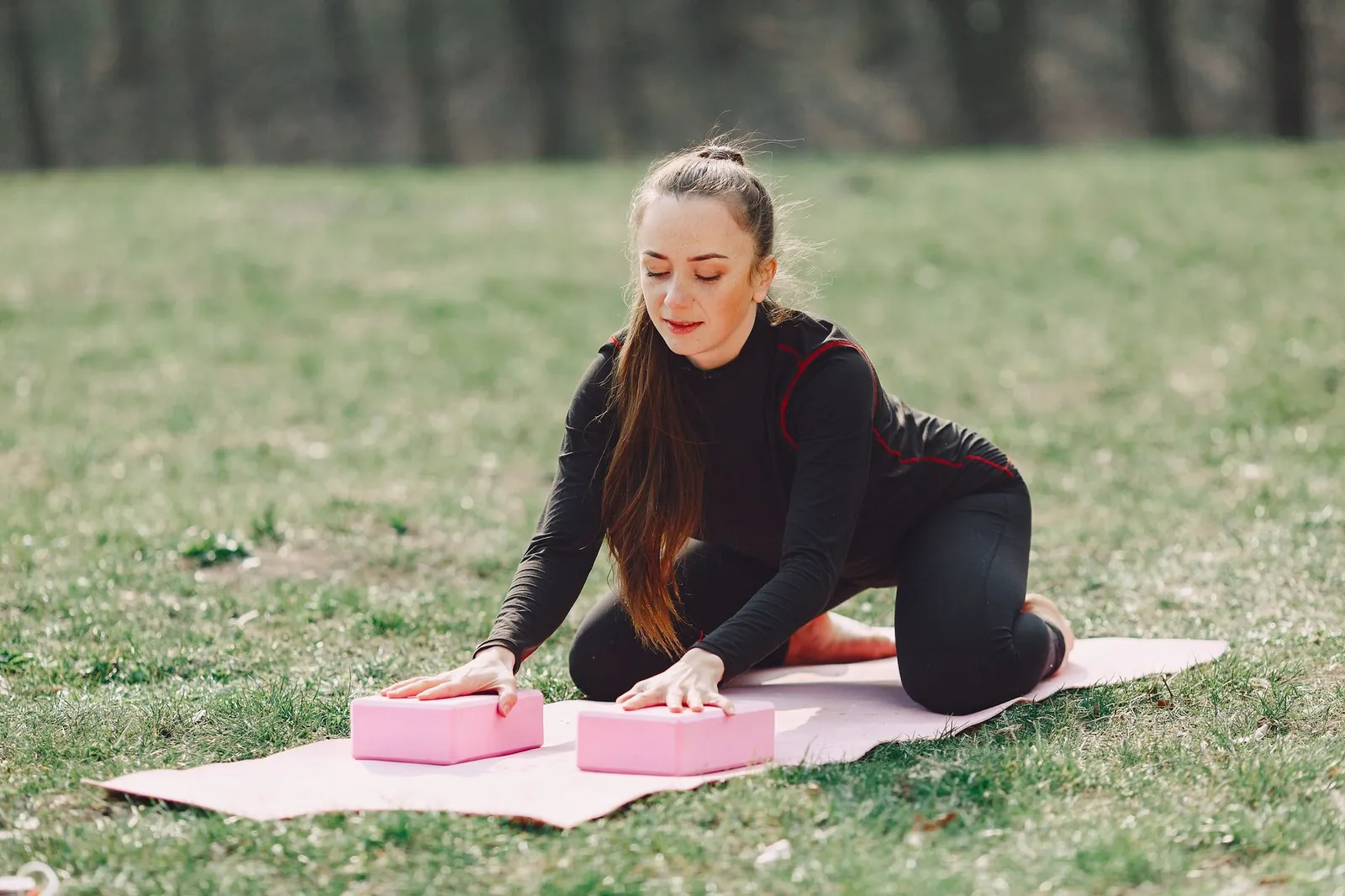
There is a version of yoga that happens in a studio with mirrors and other people, and there is a version that happens on a living room floor at 6 a.m. before the rest of the house wakes up. The second version requires more discipline and far less equipment, and it is the one most people actually sustain. Building a structured yoga practice does not mean copying a video in a heated room. It means designing something you can return to on the hard days, the sick days, and the weeks when motivation is nowhere.
The first decision is time. Not how long, but when. Most practitioners find that a consistent time of day anchors the habit better than any other variable. Morning works because the practice clears the noise before the day starts. Evening works because it lets you deposit the day's tension somewhere specific. Pick one and defend it for three weeks. After that, the time stops feeling like a choice and starts feeling like part of the schedule.
Once the time is set, choose a duration that undersells your ambition. Twenty minutes sounds reasonable until a meeting runs long, the dog needs walking, or sleep did not come easily the night before. Start with ten. A ten-minute practice that happens is worth more than a thirty-minute practice that does not. You can extend once the habit is holding weight on its own.
A structured practice needs something resembling a sequence. It does not need to be elaborate. One standing pose that requires attention, one forward fold to quiet the nervous system, one inversion or rest pose to close. The order matters less than the logic of warming up, working, and cooling down. Over time you will notice which poses your body reaches for on its own when something feels tight or imbalanced. That noticing is data. Use it.
Breath is not a supplement to the physical practice. It is the practice. When you find yourself rushing through poses to reach the end, that is a signal to slow down and let the breath lead. The physical shape follows the breath, not the other way around. This takes patience, but it is also why yoga works as a stress management tool in a way that a workout playlist does not.
Finally, keep a simple record. Not a journal with reflections, just a date and a duration. After a month, the calendar shows you the truth about what you actually built versus what you intended to build. Adjust from there.
If you have been meaning to start or restart a personal practice, the free Yoga Builder tool lets you design a weekly structure in minutes, matching your available time, your experience level, and the physical outcomes you care about most. Follow the link to build your first week.