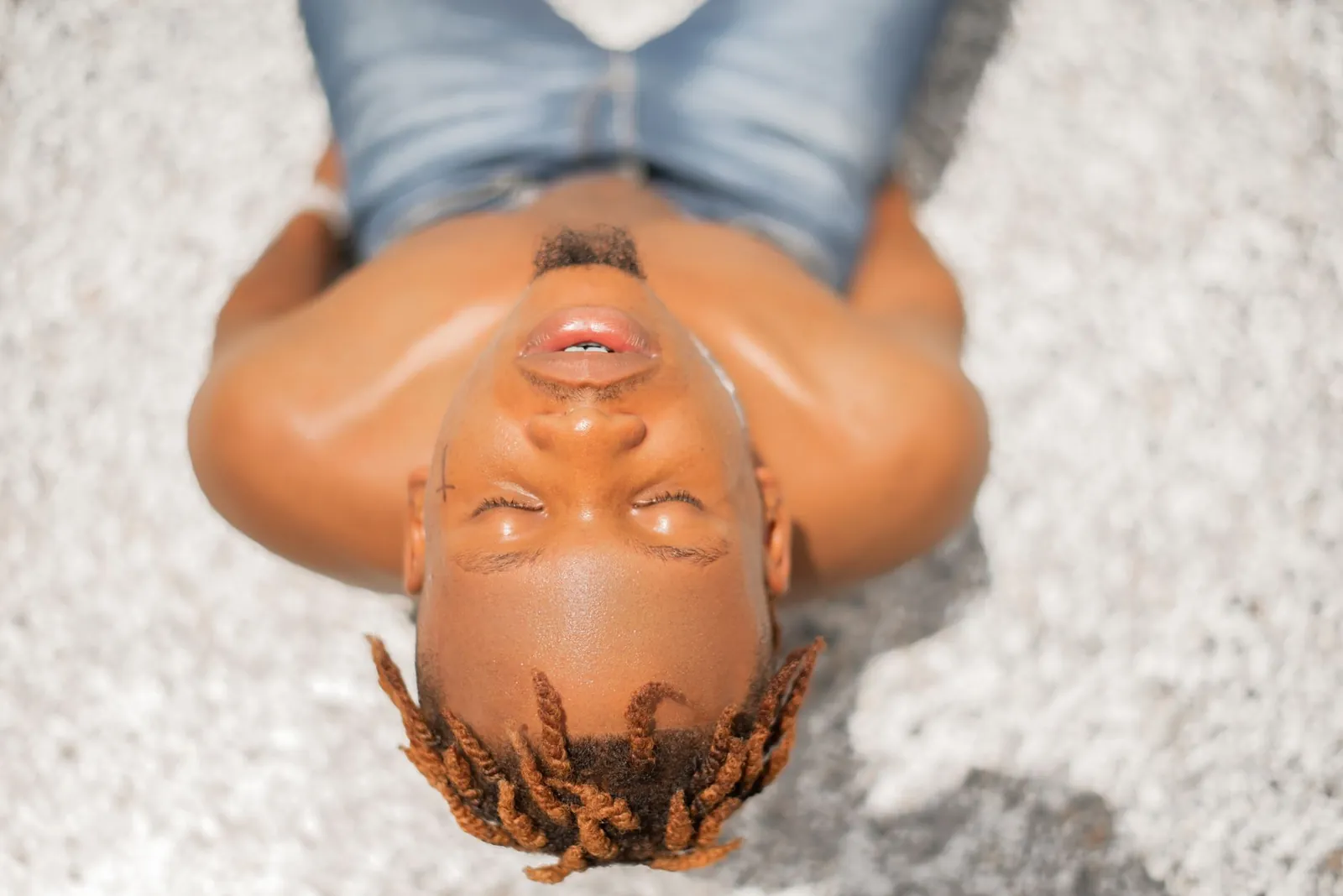
Ten hours in a desk chair leaves a specific kind of tired: hip flexors short, lower back compressed, breath shallow at the top of the chest. Restorative yoga is the counter-move, though the word makes people picture napping on a cushion. It is closer to deliberate work. Every pose here is propped and held long enough that your nervous system gets the message it can stop bracing and settle into the parasympathetic side, where digestion, circulation and tissue repair catch up with you.
Props do the heavy lifting
Restorative yoga earns its name by removing effort. A blanket rolled under the knees of Reclined Bound Angle Pose (Supta Baddha Konasana) does the stretching for you. Two folded blankets under a bolster turn a firm block into a supported ramp. A bolster under the sacrum in Supported Bridge Pose (Setu Bandha Sarvangasana) lifts the pelvis without asking your glutes to hold anything. If a pose still needs muscle to work, it is not a restorative pose.
Nine poses, arranged so each one prepares you for the next
Begin low and quiet with Supported Child's Pose (Balasana), torso resting on a bolster and forehead on a folded blanket. Follow with Supported Bridge, Reclined Bound Angle, and Supported Happy Baby (Ananda Balasana), using a strap around the feet if your shoulders grumble. Then work up the back of the body: Legs Up the Wall (Viparita Karani), where the wall does the inversion work your legs would otherwise refuse, then Supported Fish Pose (Matsyasana) with a bolster under the upper spine to open the chest, and Reclined Twist (Supta Matsyendrasana) with a blanket between the knees so the twist comes from the breath instead of the hips hauling. Reclined Hero Pose (Supta Virasana) with a bolster under the hips settles the back of the legs. Finish in Corpse Pose (Savasana) with a bolster under the knees.
Order matters as much as the poses
Sequencing means arranging postures, breathing, transitions and rest into a structure where each part prepares what comes next. Restorative sequencing starts with the most supported shapes, because you want attention low and unhurried, then builds toward the twist and the longest hold. Two or three rounds of slow breathing between poses is plenty. A repeated sound, a bell or one counted exhale, gives attention a handle so the mind stays near the body instead of drifting to tomorrow's inbox.
Take five minutes tonight
Use the free sequence builder to draft a pose outline, then plan holds and props separately around your time, equipment, and experience. New issues of our newsletter are published on the site's newsletters page every month, each with a sequence worth trying. For a different way to explore sequencing, Sunrise Flows is a Windows strategy game played with illustrated yoga-pose cards, available on the Microsoft Store.