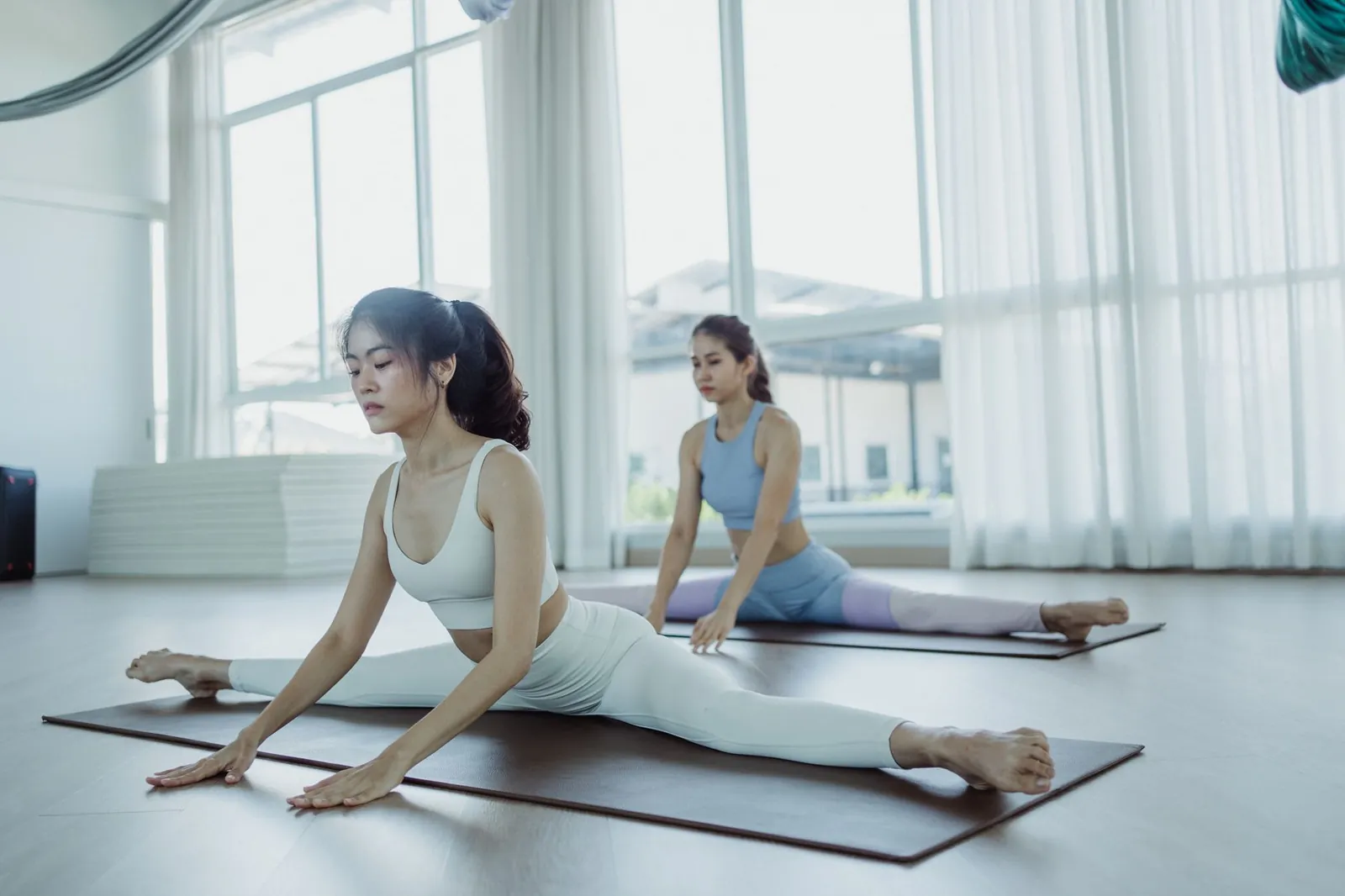
Finding even a few minutes for yourself can feel impossible when the day is already full, yet the body keeps score: tight shoulders, shallow breath, a mind that replays the same worries on loop. The good news is that meaningful relief does not require a hour-long class or a silent retreat. A deliberate fifteen minutes, done with attention, can shift your nervous system out of fight-or-flight and give your thoughts room to settle. Below is a simple framework you can practice at home, in a park, or even in a quiet corner of your office.
Begin with three minutes of breath awareness. Sit or lie down comfortably, close your eyes, and notice the natural rhythm of your inhale and exhale. You are not trying to change anything yet, just observing. This brief pause interrupts the stress cycle and signals safety to your brain. When you feel ready, gently extend the exhale to be slightly longer than the inhale, which activates the parasympathetic nervous system and begins to lower your heart rate.
Next, spend five minutes on slow, deliberate movement. Cat-cow stretches, gentle spinal twists, or a standing forward fold are all effective. Move only as far as feels comfortable and synchronize each motion with your breath. This combination of mobility and breath releases stored tension in the hips, spine, and shoulders, areas where many people carry stress without realizing it.
Dedicate the following five minutes to a body scan. Starting at the crown of your head, slowly bring your attention down through your face, neck, arms, torso, and legs. Wherever you notice tightness, imagine your breath flowing into that spot and softening it. You are not forcing relaxation; you are simply inviting it. This practice builds interoception, the ability to sense what is happening inside your body, which research links to better emotional regulation.
Close with two minutes of stillness. Let go of any technique and just be. If thoughts arise, acknowledge them without judgment and return to the feeling of the breath at your nostrils or the rise and fall of your chest. This final pause consolidates the calm you have cultivated and trains your mind to find quiet more easily over time.
Try setting a timer for fifteen minutes tomorrow morning or evening and working through these four phases once. Notice how you feel before and after. If the practice resonates, consider making it a daily anchor, the non-negotiable window that helps you meet the rest of your day from a steadier place.